 Expoplanet Invest Brief
Digital Identities for the Experience Economy
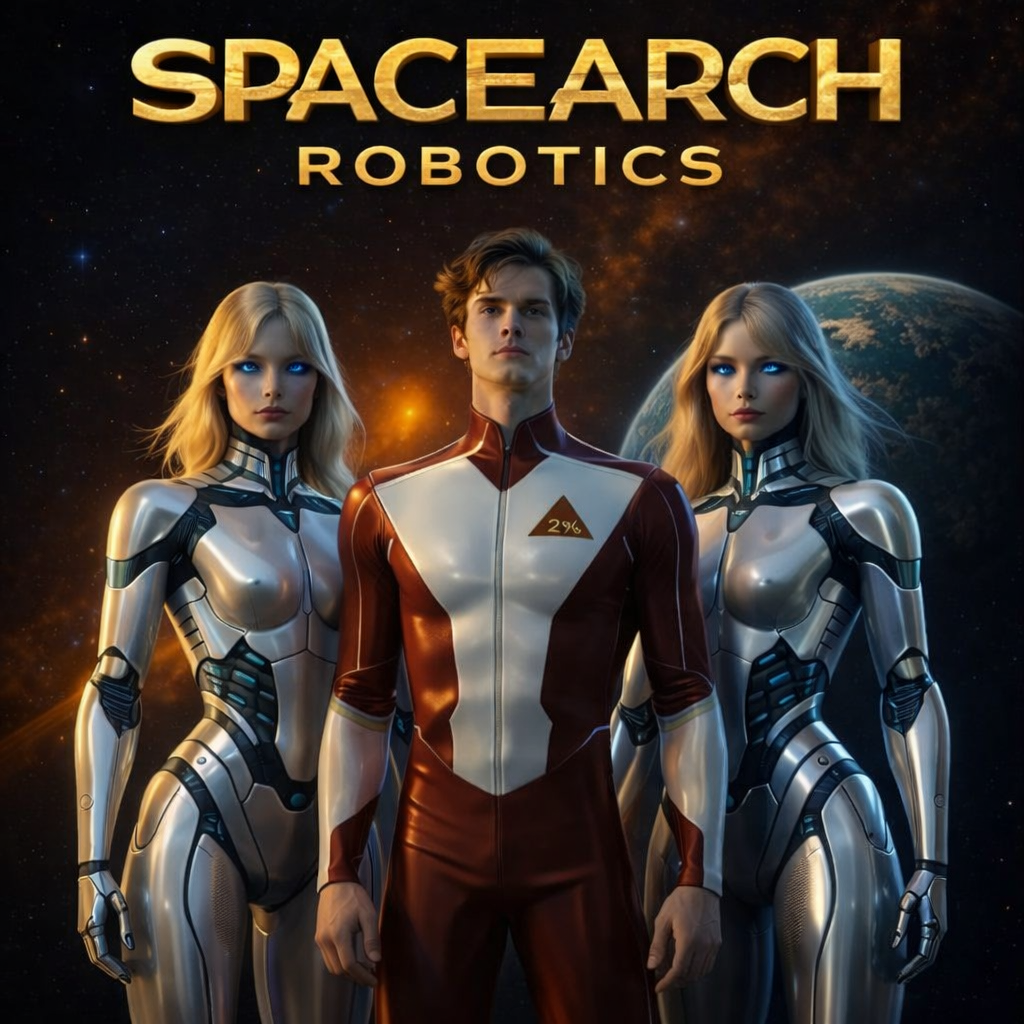
AI Models & Avatars form the human interface layer of the Future Fashion ecosystem.
They are not static 3D characters.
They are intelligent, adaptive, programmable digital beings designed to present, embody, and interact with fashion across immersive environments.
This replaces traditional models, mannequins, and sales interfaces with scalable digital identities.
1. AI Models as Digital Supermodels
AI Models operate as:
- Virtual fashion models
- Brand ambassadors
- Narrative carriers
- Interactive presentation agents
They can:
- Wear collections in real time
- Adapt body types, movement, and style
- Perform in digital runways and showrooms
- Scale globally without physical constraints
Each AI Model is brand-aligned, not generic.
2. Avatar Architecture (Technical Layer)
Each avatar is built on a modular architecture:
- Visual Layer
Hyperrealistic or stylized appearance
Adjustable ethnicity, age, body morphology, expression - Motion Layer
Biomechanics simulation
Runway walk, sport movement, lifestyle gestures - Cognition Layer
AI-driven interaction
Context awareness
Natural language response - Brand Alignment Layer
Tone, attitude, aesthetics
Collection-specific behavior
This enables precision identity control at scale.
3. Types of AI Models & Avatars
A. Brand AI Models
Permanent digital figures representing a brand or collection.
- Used across runways, showrooms, campaigns
- Become recognizable digital identities
- Accumulate brand equity over time
B. Collection-Specific Avatars
Custom avatars created for a specific drop or runway.
- Tailored to the collection narrative
- Temporary or archival
- Strong storytelling value
C. User Avatars (Consumer Layer)
Avatars representing the end user.
- Body simulation
- Style matching
- Try-on visualization
- Personalized recommendations
This collapses the distance between model and customer.
D. AI Hybrid Avatars (Human + Digital)
Based on real models, influencers, or designers.
- Digital twins
- Extended presence without physical limits
- Rights-managed and monetized
This creates new IP categories in fashion.
4. Role in Digital Runways
In Digital Runways, AI Models:
- Replace or complement human models
- Perform impossible environments (space, abstract worlds)
- Adapt choreography dynamically
- Highlight design features automatically
Runways become:
- Programmable
- Replayable
- Evolvable
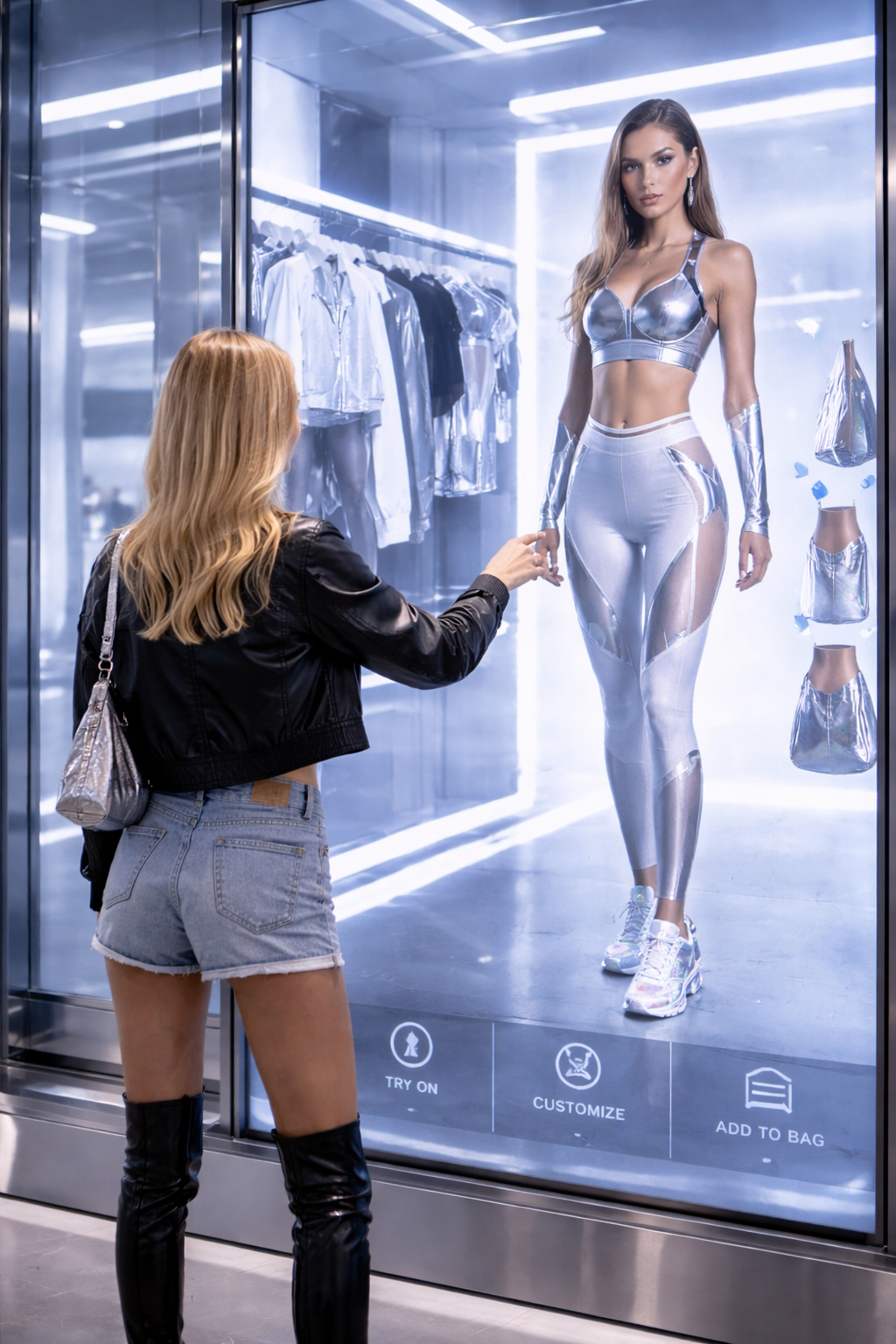
5. Role in Digital Showrooms & Retail
In immersive showrooms, avatars function as:
- Living mannequins
- Interactive guides
- Styling advisors
- Brand narrators
They can:
- Change outfits instantly
- Respond to user queries
- Suggest combinations
- Guide purchasing decisions
Retail becomes conversational and experiential.
6. Scalability & Cost Structure (Investor Logic)
Traditional model economics:
- High cost
- Limited availability
- Geographic constraints
AI Model economics:
- Near-zero marginal cost
- Infinite availability
- Global deployment
This enables:
- Massive scale
- Consistent brand identity
- Predictable cost structures
7. Intellectual Property & Ownership
AI Models and Avatars are treated as digital assets.
They can be:
- Owned by brands
- Licensed
- Time-bound
- Exclusively deployed
This introduces:
- New IP monetization streams
- Long-term asset valuation
- Controlled scarcity
8. Sustainability by Design
- No travel
- No physical production
- No repeated casting cycles
AI Models drastically reduce:
- Carbon footprint
- Operational overhead
- Resource waste
They align fashion presentation with planetary limits.
9. Strategic Value for Expoplanet
For designers & brands:
- Creative freedom
- Infinite presentation capacity
- Direct user engagement
For investors:
- Asset-light scalability
- Strong defensibility
- High-margin digital IP
For Expoplanet:
- Differentiated platform identity
- Continuous content generation
- Cross-vertical applicability (fashion, sport, culture, events)
Positioning Statement
AI Models & Avatars
Where fashion meets intelligence, identity, and scale.
They are not representations of humans.
They are the next evolution of fashion interfaces.
AI Models & Avatars
Monetization · Licensing · UX · Neural Integration · Investor Moat
I. Avatar Monetization Models
From Digital Characters to Revenue-Generating Assets
AI Models & Avatars are treated as programmable digital assets, not visual effects.
This enables multi-layer monetization, stacked and non-exclusive.
1. Brand-Owned Avatar Monetization
Brands can own proprietary AI Models.
Revenue logic:
- Fixed creation cost (one-time)
- Recurring deployment across:
- Digital runways
- Showrooms
- Campaigns
- Events
- Zero marginal cost per additional use
Value creation:
- Brand recognition through a persistent digital identity
- Replacement of repeated casting costs
- Infinite scalability
This converts marketing expense into a capitalized asset.
2. Avatar-as-a-Service (AaaS)
For designers and brands that do not want ownership.
Model:
- Monthly or per-event subscription
- Access to a curated avatar pool
- Customization within defined parameters
Revenue characteristics:
- Recurring SaaS-style income
- High margins
- Predictable cash flow
3. Event & Runway Monetization
Avatars are monetized per:
- Digital runway appearance
- Fashion week participation
- Virtual brand activations
Pricing variables:
- Avatar exclusivity
- Interaction level
- Visual complexity
- Audience size
This transforms avatars into media performers, not static visuals.
4. Consumer-Level Monetization (B2C)
Avatars interact directly with users.
Monetizable actions:
- Personalized styling
- Premium try-on simulations
- Private avatar-guided sessions
- Exclusive avatar personalities
This opens microtransaction and subscription layers.
5. Licensing & IP Monetization
Avatars can be:
- Licensed to third parties
- Time-restricted
- Territory-bound
- Collection-specific
This introduces royalty-based revenue streams, similar to character licensing in entertainment.
II. AI Model Licensing Tiers
Controlled Access, Controlled Value
Licensing is structured to protect brand value and platform coherence.
Tier 1 – Shared Standard Avatars
Entry level
- Non-exclusive
- Limited customization
- Generic personalities
- Used for mass-market or testing
Target: Emerging designers, experimentation, Gen Academy.
Tier 2 – Semi-Exclusive Avatars
Professional level
- Visual customization
- Brand-aligned tone
- Limited exclusivity (category or territory)
Target: Established designers, premium brands.
Tier 3 – Fully Exclusive Brand Avatars
Luxury level
- Full ownership or long-term exclusivity
- Unique identity
- Custom cognition layer
- Long-term asset value
Target: Luxury houses, flagship brands.
Tier 4 – Human-Based Digital Twins
Ultra-premium / IP level
- Based on real humans (models, designers, influencers)
- Rights-managed
- Revenue sharing
Target: Global brands, celebrities, collectors.
III. UX Flows for Avatar Interaction
Experience Engineering
A. Consumer UX Flow (Showroom / Retail)
User Entry (Web / Screen / VR)
        ↓
Avatar Appears (Brand-Aligned)
        ↓
Greeting + Context Awareness
        ↓
Style Discovery Dialogue
        ↓
Avatar Displays Garments
        ↓
User Avatar / Body Simulation
        ↓
Save / Customize / Purchase
Result:
Retail becomes conversational, guided, and emotional.
B. Runway UX Flow
Runway Start
        ↓
AI Model Performs Collection
        ↓
User Focus Control (Zoom / Detail)
        ↓
Avatar Highlights Design Features
        ↓
Interactive Look Selection
        ↓
Post-Runway Personal Collection
Runways become interactive decision funnels, not passive shows.
C. Designer UX Flow
Avatar Selection / Creation
        ↓
Brand Alignment Parameters
        ↓
Behavior & Tone Configuration
        ↓
Runway / Showroom Deployment
        ↓
Analytics Feedback
        ↓
Iteration
Designers control identity without managing infrastructure.
IV. Alignment with HoloDreams & Neural Interfaces
The Next Interface Layer
AI Models & Avatars are interface-ready for HoloDreams.
Conceptual Integration
- Avatars act as dream guides
- Fashion experiences occur in guided immersive mental spaces
- No screen required
- Non-invasive neural interfaces
This allows:
- Experiential fashion
- Emotional imprinting
- Memory-linked brand association
Fashion moves from visual consumption to cognitive experience.
Strategic Implication
This positions Expoplanet not as:
- Fashion platform
- Media platform
- E-commerce platform
…but as a human experience OS.
V. Investor Moat Narrative
Why This System Is Defensible
1. Multi-Layer Integration Moat
Competitors may build:
- Avatars
- Showrooms
- Runways
They do not integrate:
- AI cognition
- Commerce
- IP licensing
- Neural interfaces
- Talent pipelines
Expoplanet integrates all layers.
2. Asset Accumulation Moat
Every avatar:
- Is an IP asset
- Gains value over time
- Can be reused, licensed, scaled
This creates compounding digital capital.
3. Switching Cost Moat
Once a brand:
- Builds a proprietary avatar
- Trains it
- Aligns it with its identity
Switching platforms becomes economically irrational.
4. Talent + Technology Flywheel
Gen Academy → Designers → Collections → Avatars → Data → Better Avatars
This self-reinforcing loop is extremely difficult to replicate.
5. Future-Proof Interface Moat
By aligning with:
- Immersive environments
- Neural interfaces
- HoloDreams
The system is forward-compatible, not reactive.
Final Positioning
AI Models & Avatars
Not content. Not characters. Infrastructure.
They are:
- Revenue engines
- Brand assets
- Experience interfaces
- IP containers
And they place Expoplanet years ahead of legacy fashion, retail, and metaverse platforms.