 Expoplanet Invest Brief

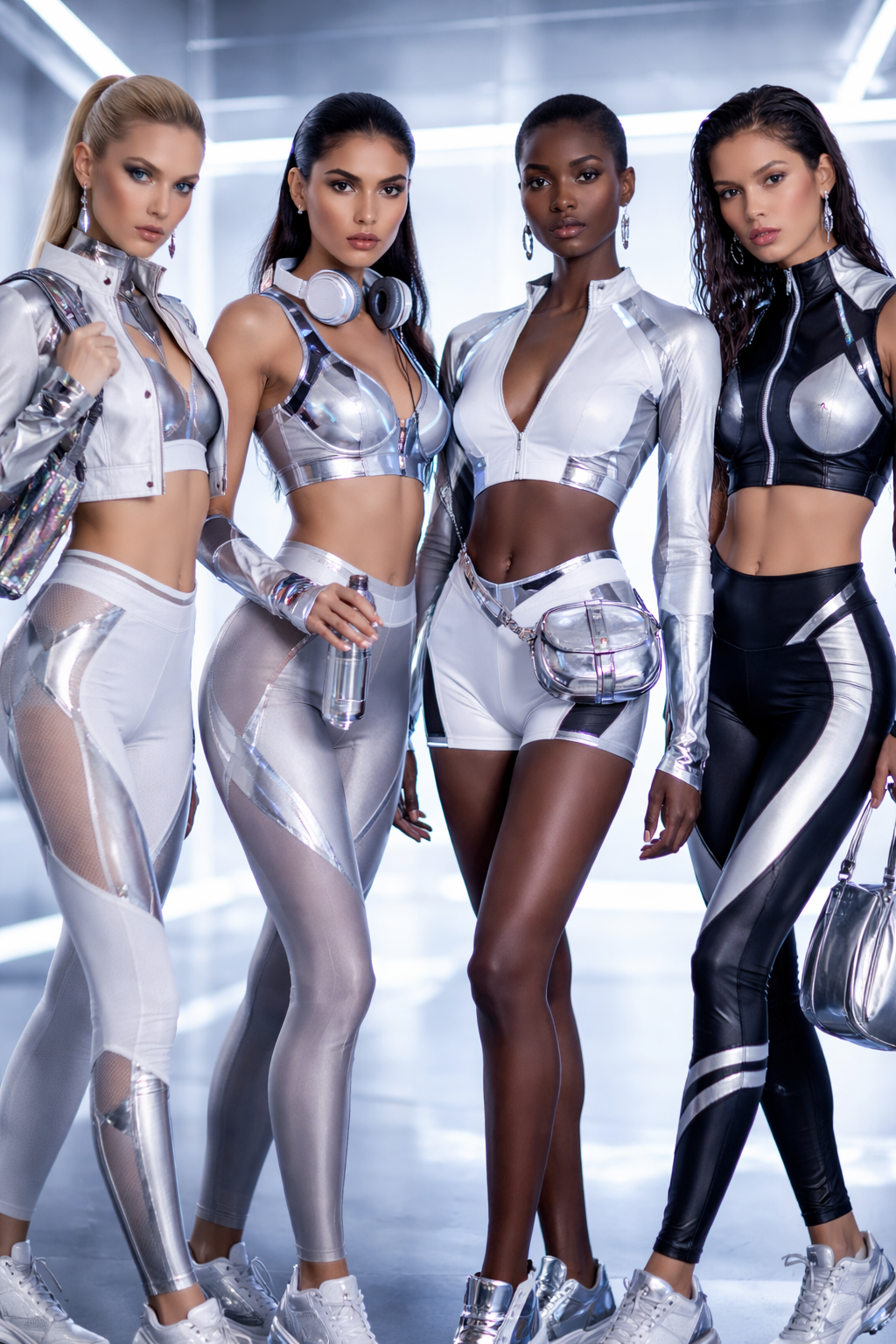
A New Architecture for Fashion Creation
Designers & Collections is the creative core of the Future Fashion ecosystem.
It is not a marketplace of isolated designers.
It is a curated, AI-augmented, globally scalable creative system where talent, technology, and commerce converge.
Designers operate as independent creative entities, empowered by a shared digital infrastructure that removes friction, limits, and legacy constraints.
1. Designer-Centric Operating Model
Future Fashion is built for designers, not retailers.
Each designer or creative house gains access to:
- A personal digital atelier
- Immersive showroom environments
- Global exposure without geographic dependency
- AI tools that enhance, not replace, creativity
Designers retain:
- Creative identity
- Aesthetic control
- Narrative ownership
The system handles everything else.
2. Collections as Living Systems
Collections are no longer static, seasonal drops.
In Future Fashion, collections are:
- Dynamic
- Continuously evolving
- Data-informed
- Experience-driven
A collection may:
- Launch digitally
- Expand through user interaction
- Adapt based on demand signals
- Generate limited editions or permanent lines
This transforms collections from products into living creative systems.
3. AI-Augmented Creative Intelligence
AI is not used to homogenize design.
It is used to amplify individual vision.
Designers can:
- Prototype ideas instantly
- Explore variations in materials, structure, and form
- Test concepts digitally before physical execution
- Identify emerging aesthetic signals across cultures and markets
The result is creative acceleration without creative compromise.
4. Curated Avant-Garde Ecosystem
Designers & Collections are selective by design.
Future Fashion prioritizes:
- Visionary designers
- Avant-garde aesthetics
- Experimental silhouettes
- Cultural and conceptual depth
This is not mass fashion.
It is high-curation, high-identity, high-value creation.
5. Digital-First, Physical-Optional
Every collection exists first in the digital realm.
From there, designers can choose:
- Digital-only releases
- On-demand physical production
- Hybrid phygital editions
This enables:
- Zero inventory risk
- Limited scarcity models
- Sustainable production by default
Physical fashion becomes a deliberate extension, not a requirement.
6. Immersive Presentation & Storytelling
Each collection is presented through:
- Immersive digital showrooms
- 3D environments
- Narrative-driven experiences
- Virtual fashion events and launches
Designers are no longer constrained by:
- Runway schedules
- Physical venues
- Traditional media gatekeepers
Their work is experienced directly, globally, and continuously.
7. Global Reach, Local Relevance
Future Fashion enables designers to:
- Reach global audiences instantly
- Adapt collections to regional preferences
- Trigger localized on-demand production
- Maintain cultural authenticity while scaling internationally
This creates global brands without global overhead.
8. Collections as Intellectual Property
Designers’ work is treated as strategic intellectual capital.
The platform supports:
- Digital provenance
- Authenticated editions
- Controlled scarcity
- Long-term brand value accumulation
Collections are not disposable trends.
They are lasting creative assets.
9. A New Relationship Between Designers and Market
Future Fashion dissolves the traditional hierarchy:
- No intermediaries dominating margins
- No forced seasonal cycles
- No speculative overproduction
Instead:
- Designers connect directly with audiences
- Data informs decisions without dictating aesthetics
- Creativity and commerce coexist intelligently
Strategic Value
For designers:
- Creative freedom
- Global visibility
- Scalable income without operational burden
For investors and partners:
- High-quality creative inflow
- Brand diversity without fragmentation
- A defensible ecosystem built on talent + technology
Designers & Collections
Where vision becomes system, and creativity becomes scalable.
Designers & Collections
Designer Onboarding · Collection Architecture · Talent Incubation
I. Designer Onboarding Flow
From Individual Talent to Scalable Creative System
Future Fashion onboarding is designed to filter for excellence, protect creative identity, and enable scale without dilution.
This is not open enrollment.
It is curated integration.
1. Entry Gate – Designer Qualification
Designers may enter through:
- Direct invitation
- Curated application
- Gen Academy recommendation
- Strategic partnership
Qualification criteria:
- Clear creative identity
- Conceptual coherence
- Technical or aesthetic differentiation
- Long-term vision (not trend chasing)
Objective:
Maintain a high-signal creative ecosystem, not a volume marketplace.
2. Creative Identity Mapping (CID)
Each designer completes a Creative Identity Mapping process.
This defines:
- Aesthetic language
- Conceptual references
- Cultural positioning
- Target audience
- Price and rarity logic
System Output:
- Designer Creative Profile (DCP)
- AI alignment parameters (to support, not overwrite vision)
- Brand narrative baseline
This becomes the non-negotiable core of the designer inside the system.
3. Digital Atelier Setup
Each designer receives a Digital Atelier, including:
- Private design workspace
- AI-assisted prototyping tools
- Material & form simulation
- Versioning and iteration control
Key principle:
AI augments ideation speed and exploration —
final authorship remains human.
4. Immersive Showroom Deployment
The system generates:
- A dedicated immersive showroom
- Narrative-driven presentation layers
- Modular exhibition logic (drops, capsules, archives)
Designers control:
- Visual language
- Presentation rhythm
- Storytelling depth
The showroom is not a store.
It is a curated experiential space.
5. Collection Structuring & Go-to-Market Logic
Designers define:
- Collection type(s)
- Release cadence
- Scarcity rules
- Digital / physical mix
The platform handles:
- Payments
- Production routing
- Analytics
- Global distribution
II. Collection Types
Strategic Design Archetypes
Future Fashion defines four primary collection architectures.
Designers may operate within one or multiple types.
1. Avant-Garde Collections
Purpose:
Conceptual exploration and boundary-pushing.
Characteristics:
- Experimental silhouettes
- Non-linear narratives
- Artistic and cultural depth
- Often digital-first or digital-only
Use case:
- Brand identity building
- Thought leadership
- Media and cultural impact
Value:
- High symbolic capital
- Long-term brand elevation
2. Couture / High Craft Collections
Purpose:
Luxury expression through mastery and detail.
Characteristics:
- High material quality
- Complex construction
- Limited editions
- On-demand production only
Use case:
- Ultra-premium positioning
- Collector clientele
- Brand prestige monetization
Value:
- High margins
- Low volume, high impact
3. Digital-Only Collections
Purpose:
Fashion as digital experience and identity.
Characteristics:
- No physical production
- Designed for avatars, media, virtual spaces
- Infinite creativity, zero material constraint
Use case:
- Metaverse
- Social identity
- Virtual events and performances
Value:
- Near-zero marginal cost
- Scalable digital assets
- New luxury logic
4. Phygital Collections (Digital + Physical)
Purpose:
Bridge digital identity and physical ownership.
Characteristics:
- Digital-first release
- Physical version produced on demand
- Linked digital provenance
Use case:
- Premium consumers
- Authentication
- Scarcity-controlled luxury
Value:
- Dual asset model
- Strong brand loyalty
- Reduced inventory risk
III. Call to Action – Elite Designers
This Is Not a Marketplace.
It Is an Architecture.
If you are:
- A designer with a distinct voice
- A creator constrained by legacy systems
- A visionary seeking global reach without compromise
Future Fashion offers:
- Creative sovereignty
- Global exposure
- Technological leverage
- Sustainable scale
We do not ask you to adapt to the system.
The system adapts to you.
This is where design becomes infrastructure.
IV. Alignment with Gen Academy
Talent Incubation & Next-Generation Designers
Future Fashion integrates natively with Gen Academy to ensure:
- Continuous talent renewal
- Skill transmission
- System coherence
Gen Academy Pipeline
- Foundational Training
- Design fundamentals
- Digital tools
- AI-assisted creativity
- Sustainability by design
- Applied Creation
- Real projects
- Live briefs
- Studio simulations
- Mentorship Layer
- Senior designers
- Curated feedback
- Aesthetic refinement
- System Integration
- Graduates onboarded into Future Fashion
- Digital ateliers activated
- First collections launched under supervision
Strategic Advantage
- Designers emerge already aligned with the platform
- No cultural friction
- No retraining cost
- Immediate production readiness
Gen Academy becomes the talent OS feeding the Future Fashion ecosystem.
V. System-Level Value Summary
For Designers:
- Freedom + scale
- Identity protection
- Global reach without operational burden
For Investors & Partners:
- High-quality creative inflow
- Controlled ecosystem growth
- Long-term brand and IP value
For Expoplanet:
- A living, evolving fashion universe
- Continuous content generation
- Strong differentiation vs static platforms
Designers & Collections
From individual vision to planetary-scale fashion intelligence.