 Expoplanet Invest Brief
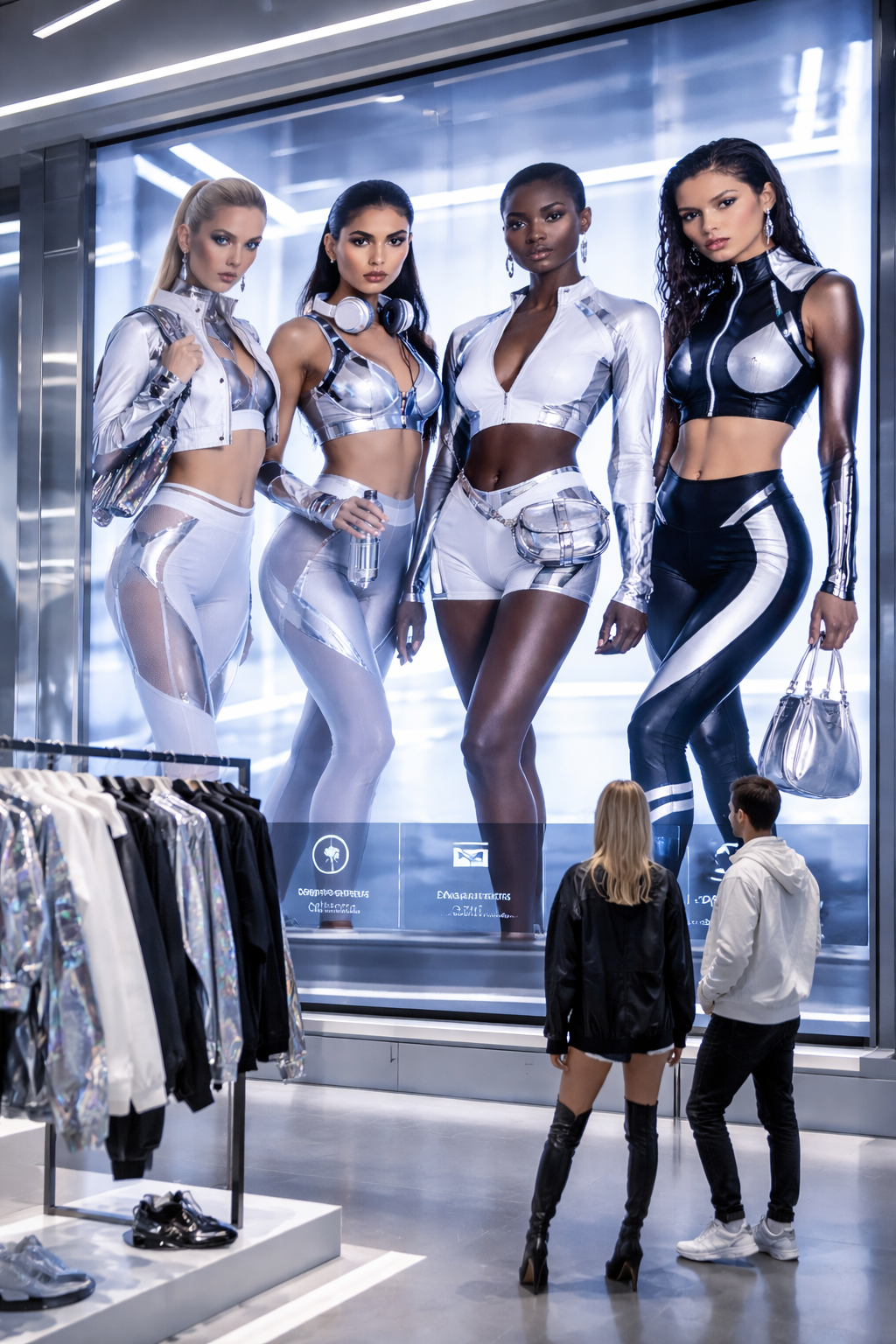
Immersive Fashion Shows for a Post-Physical World
Digital Runways redefine the fashion show as a persistent, immersive, and intelligent experience, not a one-time physical event.
They replace traditional catwalks with cinematic, interactive, and globally accessible runways, designed for the experience economy and the digital-native generation.
This is not a streamed fashion show.
It is a new medium for fashion expression.
1. From Physical Catwalks to Experiential Media
Traditional runways are:
- Cost-intensive
- Geographically limited
- Time-bound
- Ephemeral
Digital Runways are:
- Always accessible
- Borderless
- Scalable
- Data-driven
- Environmentally efficient
Fashion shows evolve from logistical events into high-impact experiential content.
2. Immersive Runway Environments
Each Digital Runway is designed as a thematic universe, not a neutral stage.
Runways may take place in:
- Futuristic architectures
- Abstract digital landscapes
- Space-inspired environments
- Cultural or narrative worlds
- Hybrid physical–digital spaces
The environment becomes part of the collection’s language.
3. Multi-Layered Viewer Experience (UX Architecture)
Digital Runways are built with layered access levels.
UX Structure Example:
- Public Layer
Cinematic viewing, global access, brand storytelling - Interactive Layer
Camera control, garment focus, material inspection - Personalized Layer
AI-curated looks based on viewer profile - Premium / Insider Layer
Early access, limited drops, designer commentary, collectible editions
This transforms spectators into participants.
4. AI-Enhanced Presentation Logic
AI augments the runway experience by:
- Highlighting key design features
- Adapting sequences to audience behavior
- Recommending looks in real time
- Creating personalized post-show collections
The runway becomes responsive, not static.
5. Digital-First, Physical-Optional Fashion Shows
Collections debut digitally first.
From the runway, designers may trigger:
- Digital-only releases
- On-demand physical production
- Phygital editions linked to the show
There is no need to pre-produce inventory.
Demand is validated instantly.
6. Integrated Commerce & Drops
Digital Runways are directly connected to commerce.
During or after the show:
- Viewers can save looks
- Pre-order pieces
- Access limited editions
- Enter exclusive drops
This collapses the distance between inspiration and acquisition.
7. Global Reach Without Global Cost
Digital Runways allow designers and brands to:
- Reach global audiences simultaneously
- Eliminate travel and logistics
- Reduce environmental impact
- Maintain luxury positioning without excess overhead
Luxury becomes intelligent, not wasteful.
8. Data, Analytics & Strategic Insight
Every runway generates actionable intelligence:
- Viewer engagement heatmaps
- Look-level performance
- Geographic demand signals
- Conversion pathways
Fashion shows become strategic decision tools, not just visibility events.
9. Cultural Permanence vs Ephemerality
Unlike traditional fashion weeks, Digital Runways:
- Remain accessible over time
- Become part of brand archives
- Can be reactivated, remixed, or expanded
A runway becomes a long-term cultural asset.
Strategic Value
For designers:
- Full creative control
- Global exposure
- Direct audience connection
For brands:
- Measurable ROI
- Integrated commerce
- Strong narrative differentiation
For Expoplanet:
- Premium experiential content
- Recurring event infrastructure
- Platform stickiness and visibility
Digital Runways
Fashion shows reimagined as immersive, intelligent experiences.
Digital Runways
Formats · Fashion Week Architecture · Monetization · UX Systems
I. Runway Formats
Modular Architectures for Different Creative & Commercial Objectives
Digital Runways are not a single format.
They are programmable experiential systems.
Each format serves a distinct creative, strategic, and economic function.
1. Couture Runway
Ultra-Luxury · Craft · Prestige
Purpose:
Brand elevation, symbolic capital, collector engagement.
Characteristics:
- Slow, cinematic pacing
- Extreme material and detail focus
- Limited audience access
- Narrative-driven environments
- Designer commentary layers
Production Logic:
- Digital-first debut
- Physical pieces produced strictly on demand
- Ultra-limited editions
Monetization:
- High-ticket phygital pieces
- Private client access
- Collector drops
- Brand partnerships
Strategic Role:
Creates brand gravity and long-term value, not volume.
2. Sport / Performance Runway
Techwear · Movement · Energy
Purpose:
Showcase function, performance, and lifestyle integration.
Characteristics:
- Dynamic motion-based choreography
- Biomechanics visualization
- Futuristic / space-inspired environments
- Wearable-tech integration
Production Logic:
- Digital validation
- Rapid on-demand manufacturing
- Scalable global drops
Monetization:
- Higher volume, mid-to-premium pricing
- Global launches
- Sponsorships and co-branding
Strategic Role:
Revenue engine + youth market penetration.
3. Avant-Garde Runway
Conceptual · Cultural · Experimental Luxury
Purpose:
Position the brand as a cultural and aesthetic leader.
Characteristics:
- Non-linear narratives
- Abstract or symbolic environments
- Digital-only or hybrid garments
- Strong artistic references
Production Logic:
- Often digital-only
- Optional limited physical extensions
- Long lifecycle as cultural content
Monetization:
- Digital collectibles
- Media licensing
- Institutional partnerships
- Long-tail brand value
Strategic Role:
Cultural relevance and differentiation.
4. Experimental / R&D Runway
Future Concepts · Innovation Lab
Purpose:
Test new ideas without market pressure.
Characteristics:
- Prototype garments
- AI-generated or co-created designs
- Audience feedback loops
- Modular, reconfigurable environments
Production Logic:
- No immediate production obligation
- Feedback-driven iteration
- Concept-to-collection pipeline
Monetization:
- Sponsored innovation
- Research partnerships
- Future IP extraction
Strategic Role:
Feeds the innovation pipeline and protects long-term relevance.
II. Digital Fashion Week Architecture
Always-On, Modular, Global
Digital Fashion Week is not a calendar event.
It is a distributed, programmable system.
Core Architecture
Digital Fashion Week = Orchestrated Runway Network
Designers & Brands
        ↓
Runway Formats (4 Types)
        ↓
Immersive Environments
        ↓
UX Layers (Public → Premium)
        ↓
Commerce + Data
        ↓
Archives & Reactivation
Key Structural Principles
- No geographic centralization
- No single “week” limitation
- Multiple time zones, languages, cultures
- Continuous activation cycles
Fashion Week becomes 365 days per year.
Participation Layers
- Open Layer:
Global access, cultural visibility - Professional Layer:
Buyers, media, collaborators - Premium Layer:
Collectors, VIPs, private clients
Each layer has different access rights, pricing, and experiences.
III. Investor-Facing Monetization Logic
Multi-Stream, High-Margin, Asset-Light
Digital Runways unlock stacked revenue layers.
1. Runway-as-a-Service (RaaS)
Designers and brands pay for:
- Runway production
- Immersive environments
- Technology stack
- Global distribution
Recurring, scalable infrastructure revenue.
2. Transactional Commerce
- Digital garments
- Phygital pieces
- On-demand physical fashion
- Limited drops
Margin advantage:
No inventory risk, no retail overhead.
3. Premium Access & Memberships
- Early access
- Private viewings
- Collector privileges
- Behind-the-scenes content
High-margin subscription logic.
4. Brand Sponsorships & Partnerships
- Tech brands
- Luxury houses
- Sports & lifestyle partners
Runways become media assets, not cost centers.
5. Data & Intelligence Layer (B2B)
Aggregated, anonymized insights:
- Trend signals
- Demand forecasting
- Regional performance
Strategic intelligence monetization.
IV. UX Flow Diagrams for Digital Runways
Experience Engineering
A. Viewer UX Flow (Public → Premium)
Entry (Web / VR / Screen)
      ↓
Immersive Runway Environment
      ↓
AI-Adaptive Camera & Focus
      ↓
Look Interaction (Zoom / Materials)
      ↓
Save / Like / Curate
      ↓
Post-Runway Personal Collection
      ↓
Commerce or Archive
B. Designer UX Flow
Concept Upload
      ↓
Runway Format Selection
      ↓
Environment Configuration
      ↓
Choreography & Narrative Setup
      ↓
AI Optimization
      ↓
Launch
      ↓
Analytics & Iteration
C. Investor / Brand UX Flow
Dashboard Access
      ↓
Runway Performance Metrics
      ↓
Engagement & Conversion Data
      ↓
Market Signals
      ↓
Strategic Decisions
V. System-Level Strategic Advantage
- Fashion shows become reusable assets
- Creative risk is decoupled from financial risk
- Luxury positioning is preserved
- Sustainability is structural, not cosmetic
- Expoplanet becomes the operating layer, not just a platform
Final Positioning
Digital Runways
Where fashion becomes experience, data, and infrastructure.