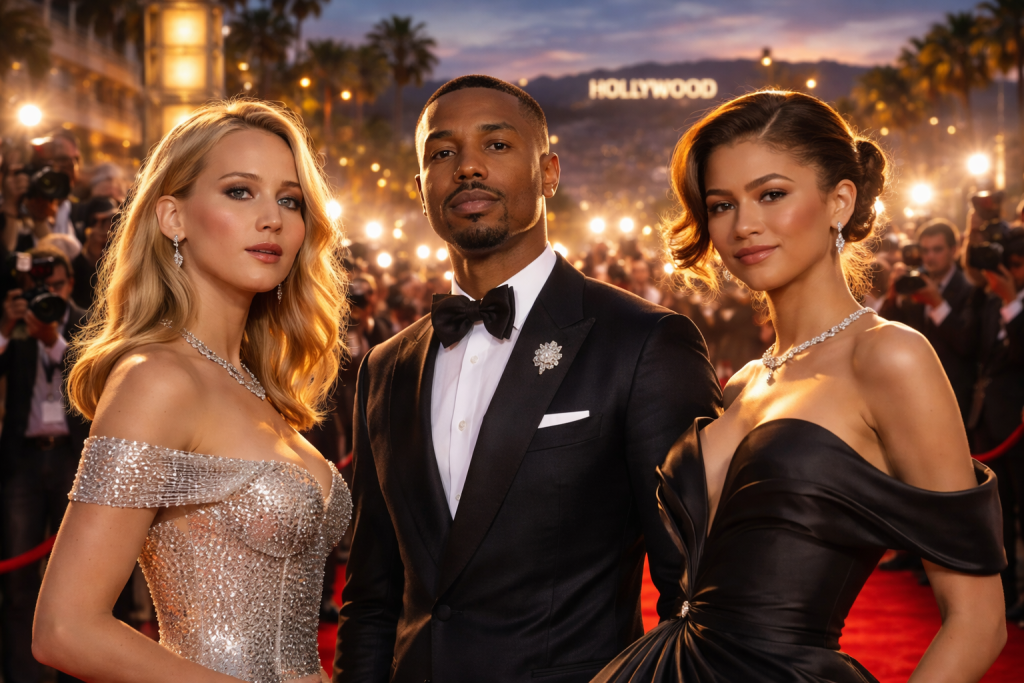


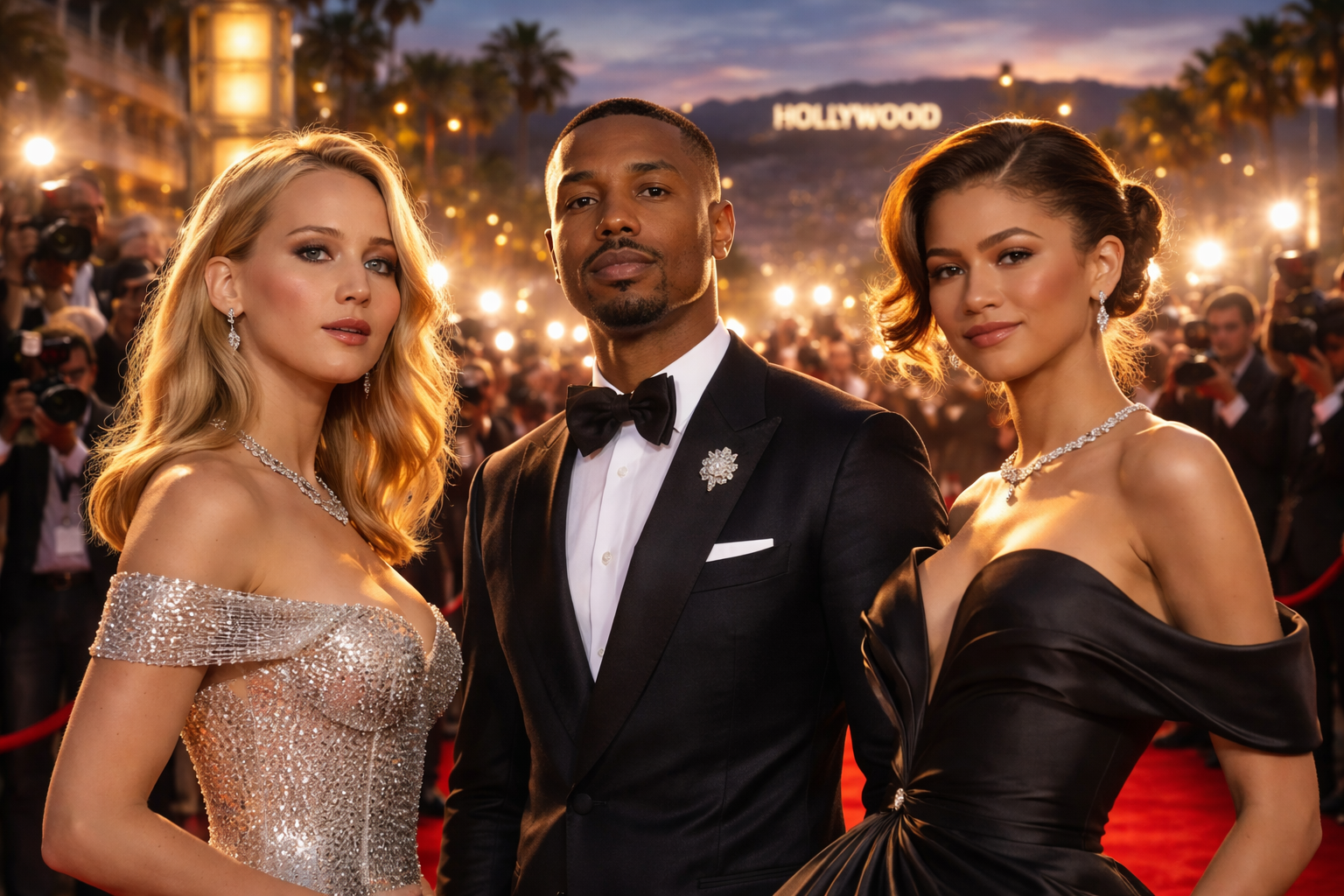
For more than a century, Hollywood functioned as fashion’s most powerful amplification system. Red carpets, award ceremonies, studio contracts, and celebrity culture transformed garments into global symbols overnight. To be dressed by Hollywood was not merely to be worn—it was to be canonized.
But by 2026, the gravitational center of Hollywood has unmistakably shifted. Production dispersal, labor realignments, streaming economics, and lifestyle migration have diluted its once-monolithic power. What looks like an entertainment story is, in reality, a structural cultural reset—and fashion is one of its most affected ecosystems.
The Hollywood exodus does not mean the end of celebrity influence. It means the end of a single, centralized fashion amplifier.
Hollywood as Fashion Engine: A Model That Defined an Era
At its peak, Hollywood was fashion’s most efficient narrative machine. Studios, stylists, magazines, and luxury houses formed a closed loop centered in Los Angeles, particularly around Hollywood and Beverly Hills.
This system produced:
- Clear seasonal fashion moments (Oscars, Golden Globes, premieres)
- A stable hierarchy of celebrity endorsement
- Long-term brand–star relationships
- Predictable image circulation via legacy media
For decades, fashion calendars and marketing budgets revolved around this axis. Hollywood did not just reflect trends—it fixed them.
Why the Exodus Is Happening
The so-called Hollywood exodus is not a single event but a convergence of forces:
- Production decentralization
Film and TV production has increasingly moved to Atlanta, Vancouver, London, Eastern Europe, and tax-incentivized regions worldwide. - Streaming over studios
Streaming platforms fragmented prestige and visibility. Red carpets still exist, but cultural attention is spread thinner and faster. - Lifestyle and capital migration
Talent, executives, and creatives now split time between Los Angeles, New York City, London, Paris, and emerging hubs like Miami. - Creator-led culture
Influence has shifted from studio-backed celebrities to creators, founders, and micro-communities whose power is platform-native, not location-bound.
Hollywood still exists—but no longer controls the narrative flow.
What Fashion Loses When Hollywood Centrality Fades
The decline of Hollywood’s dominance creates real friction for fashion:
- Fewer universal moments: No single red carpet defines the season anymore.
- Less narrative clarity: Trends fragment instead of cascading from one iconic look.
- Reduced long-term endorsement value: Celebrity deals feel shorter, more transactional.
Fashion brands once relied on Hollywood for cultural condensation—a way to compress attention into a few globally legible images. That compression is gone.
What Fashion Gains Instead
Paradoxically, the Hollywood exodus also liberates fashion.
1. From Celebrity Worship to Cultural Alignment
Brands are no longer forced to chase a narrow pool of A-list actors. Instead, they can align with:
- Creators
- Musicians
- Athletes
- Founders
- Cultural operators
This broadens representation and sharpens relevance.
2. From Red Carpets to Real-Time Culture
Fashion now circulates through:
- Festivals
- Social platforms
- Street-level moments
- Founder-led narratives
Meaning is built continuously, not seasonally.
3. From Costume to Identity
Without Hollywood’s costume logic, fashion shifts toward:
- Personal style
- Repeat wear
- Lifestyle coherence
Clothing becomes less performative and more lived-in—a change particularly visible among younger luxury consumers.
The Rise of Multi-City Fashion Influence
As Hollywood’s singular authority fades, fashion influence redistributes:
- Paris retains creative and couture authority
- Milan anchors craftsmanship and luxury manufacturing
- New York provides commercial and media legitimacy
- Los Angeles remains a cultural testing ground
- Miami and Dubai amplify capital, spectacle, and global projection
Rather than one Hollywood pipeline, fashion now operates as a networked system of cities, each contributing a different form of value.
How Fashion Marketing Is Rewriting Itself
In response to Hollywood’s decentralization, fashion marketing in 2026 emphasizes:
- Always-on storytelling instead of event spikes
- Multiple ambassadors instead of one face
- Platform-native content instead of press-first strategies
- Communities over audiences
The red carpet still matters—but it is now just one node among many.
The Symbolic Shift: From Myth to Multiplicity
Hollywood once provided fashion with myth: stars, glamour, fantasy, distance.
The post-Hollywood era provides something else: multiplicity, proximity, and fluid identity.
This aligns with a broader cultural transition:
- From aspiration to identification
- From perfection to credibility
- From icons to ecosystems
Fashion no longer needs Hollywood to feel important. It needs culture to feel real.
Conclusion: Fashion After Hollywood Is More Demanding—but More Honest
The Hollywood exodus removes a powerful shortcut. Fashion can no longer rely on a single city, a single carpet, or a single star to validate value.
But what replaces it is more resilient:
- Distributed influence
- Cultural specificity
- Direct relationships with audiences
Hollywood is no longer the sun around which fashion orbits.
It is now one constellation in a much larger sky.
For fashion, this is not a loss of power—it is a rebalancing of meaning.