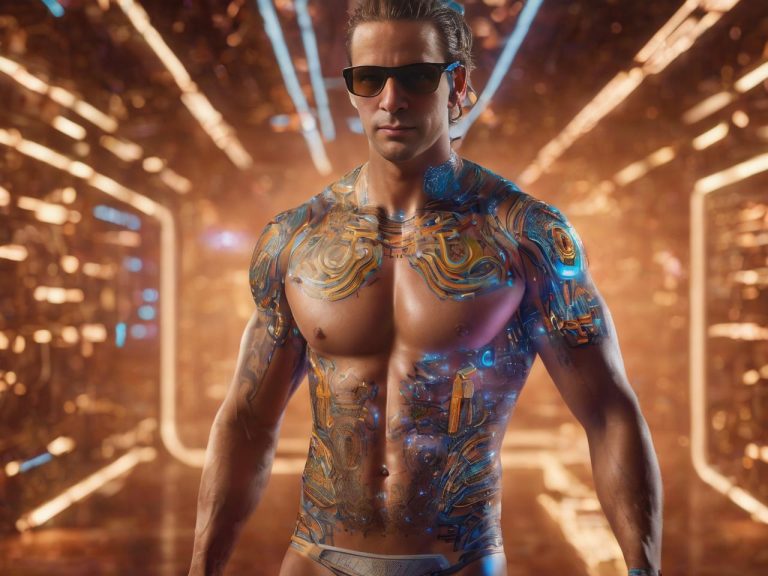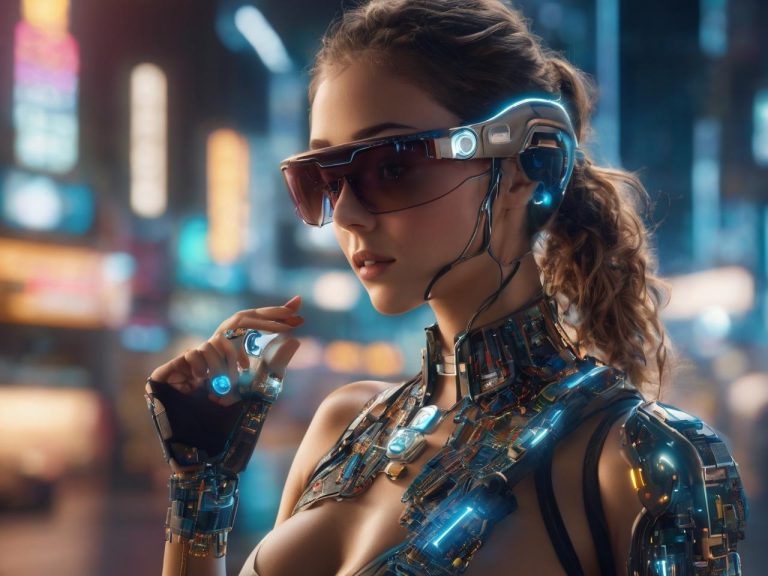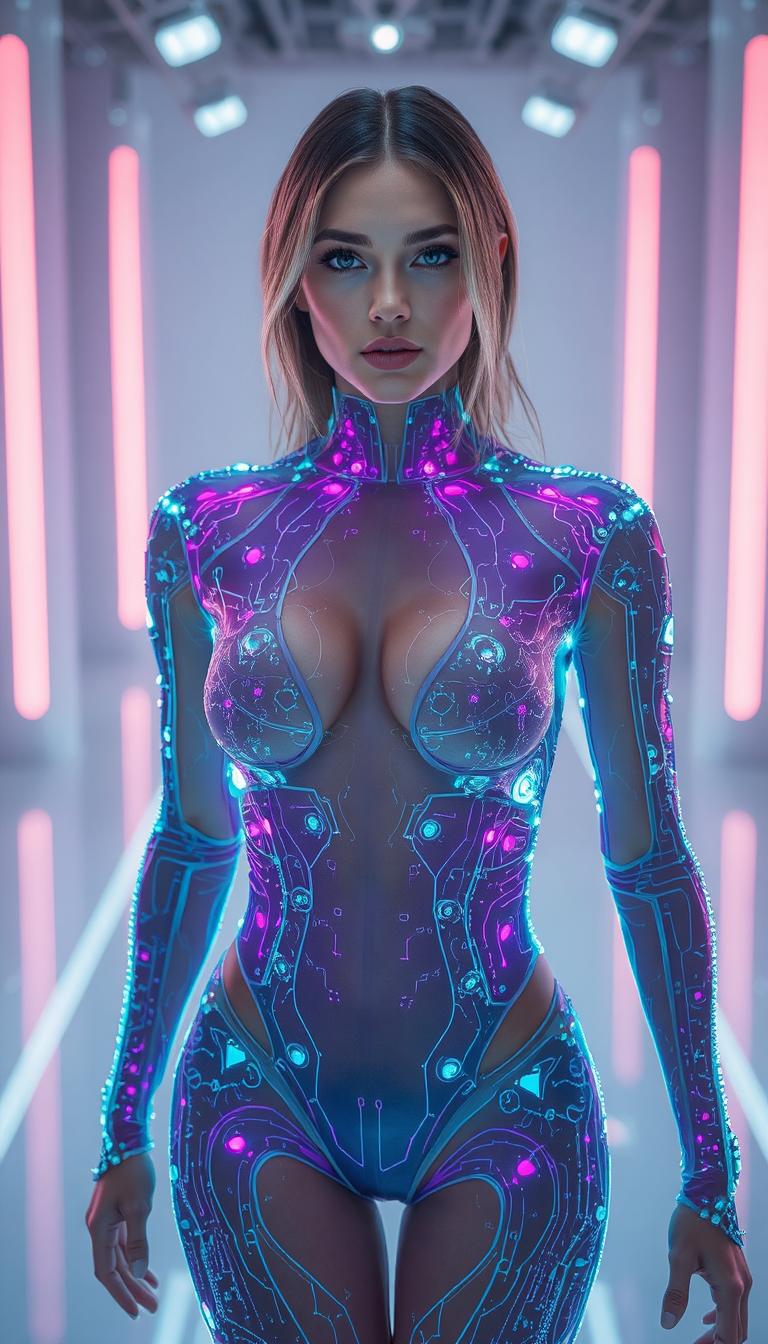

Beauty has always promised transformation. What changes in the next decade is the mechanism. By the late 2020s, skincare and beauty are no longer defined primarily by textures, fragrances, or even ingredients—but by data, biology, and programmable response. The future of beauty is not topical. It is systemic.
DNA-coded skincare and wearable nanobots represent a decisive shift: from generalized solutions to biologically personalized design, from passive products to active systems, and from cosmetic illusion to cell-level intervention.
What sounds like science fiction is, in fact, the logical endpoint of trends already in motion.
The End of “One-Size-Fits-All” Beauty
Traditional beauty operates on averages: skin types, age brackets, climate assumptions. But human biology does not function in averages—it functions in individual code.
By 2030, the dominant logic of premium skincare will no longer be:
“What works for most people?”
It will be:
“What is encoded in you?”
DNA-coded skincare is built on this premise. Using non-invasive genetic sampling, products are formulated—or dynamically adjusted—based on markers related to:
- Collagen synthesis
- Inflammation response
- Melanin production
- Oxidative stress resistance
- Barrier regeneration speed
In this model, two people of the same age, ethnicity, and lifestyle may receive entirely different formulations, because their skin does not age, repair, or defend itself in the same way.
Beauty becomes genetic interpretation, not brand promise.
DNA-Coded Skincare: From Formula to Feedback Loop
The real disruption is not personalization alone—it is adaptation.
DNA-coded skincare evolves from static products into feedback systems:
- Genetic baseline
Your DNA establishes long-term tendencies and risk factors. - Environmental inputs
Pollution, UV exposure, humidity, stress, and sleep are continuously tracked. - Biochemical response
Products adjust concentrations, delivery speed, or activation timing accordingly. - Iterative learning
The system improves as it observes how your skin responds over time.
This transforms skincare from a ritual into a living protocol.
Wearable Nanobots: Beauty Moves Under the Skin
If DNA-coded skincare defines what your skin needs, wearable nanobots define how and when it receives it.
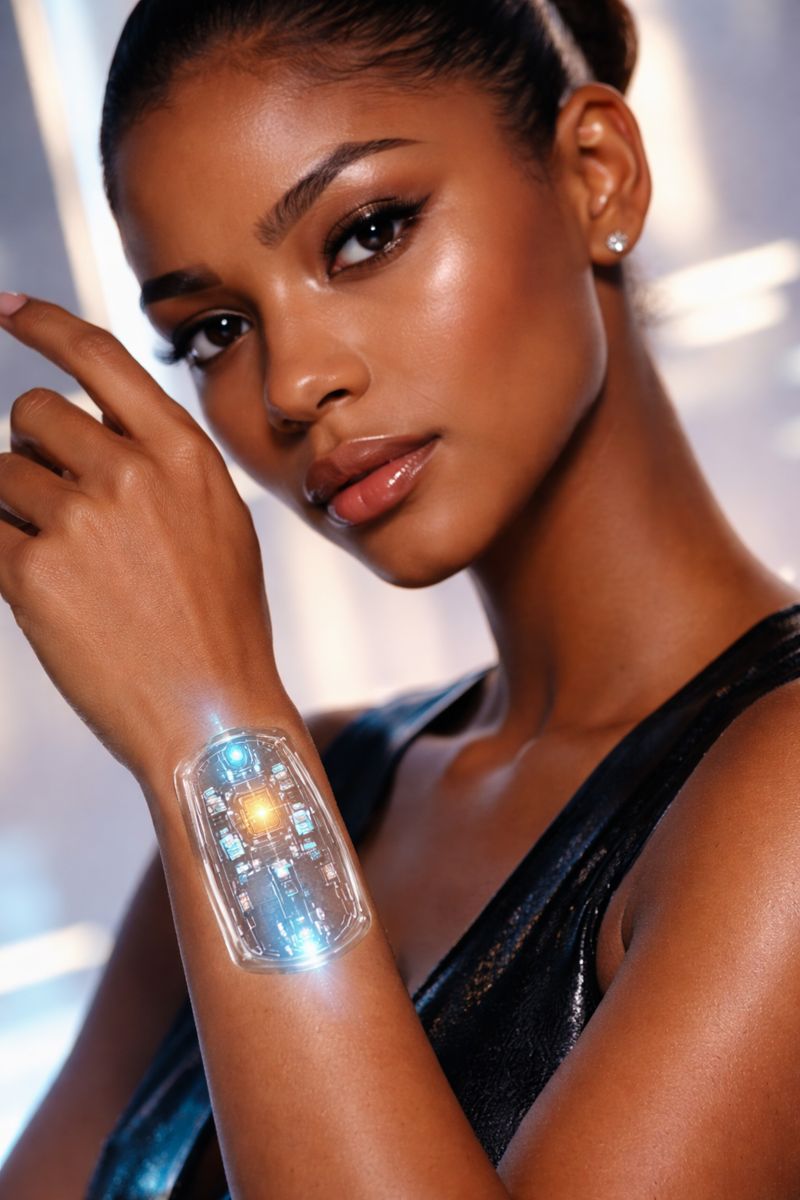
Nanobots in beauty are not sci-fi robots roaming freely in the bloodstream. In their first commercial iterations, they are better understood as:
- Programmable nano-carriers
- Smart delivery agents
- Temporary, biodegradable systems
They are designed to:
- Navigate the upper skin layers
- Release actives precisely where needed
- Respond to pH, temperature, or inflammation signals
- Deactivate or dissolve after completing their function
Beauty stops being applied onto the skin—and starts working with it.
From Creams to Wearables: Beauty as Infrastructure
By the early 2030s, high-end beauty products increasingly resemble wearable systems rather than jars and bottles.
Examples include:
- Smart patches that deploy nanobots overnight
- Microneedle films activated by body heat
- Skin “overlays” that function as temporary biological interfaces
- Hybrid beauty-health devices regulated closer to med-tech than cosmetics
This convergence forces beauty brands to rethink everything: R&D timelines, regulatory strategy, pricing logic, and brand identity.
A luxury serum is no longer defined by rarity of ingredients—but by complexity of engineering.
The Ethical and Regulatory Frontier
With deeper biological intervention comes unavoidable tension.
DNA-based beauty raises questions about:
- Data ownership and privacy
- Genetic discrimination
- Long-term biological impact
- Regulatory boundaries between beauty and medicine
As a result, the beauty leaders of tomorrow will not only need chemists and marketers—but also:
- Bioethicists
- Geneticists
- Legal architects
- Cybersecurity specialists
Trust becomes the new luxury currency.
How This Changes the Meaning of “Luxury”
In the DNA-nanobot era, luxury is redefined along three axes:
- Precision
Luxury is no longer excess—it is accuracy. - Invisibility
The most advanced systems do not announce themselves. They integrate seamlessly. - Continuity
Beauty is no longer episodic (“before/after”) but maintained equilibrium.
The most desirable brands will be those that make radical technology feel intimate, not clinical.
From Surface Aesthetics to Biological Stewardship
Perhaps the most profound shift is philosophical.
Tomorrow’s beauty brands will not promise perfection. They will promise stability, resilience, and longevity.
The language changes:
- From “anti-aging” to biological optimization
- From “correction” to maintenance
- From “coverage” to cooperation with the body
Beauty becomes less about conquering time—and more about managing it intelligently.
Conclusion: Beauty as Code, Not Illusion
DNA-coded skincare and wearable nanobots signal the end of beauty as surface performance. In its place emerges a new paradigm: beauty as bio-design.
The brands that will define this future are not those that shout innovation—but those that translate complexity into care, technology into trust, and data into dignity.
The mirror will still matter.
But the real work will be happening beneath it.