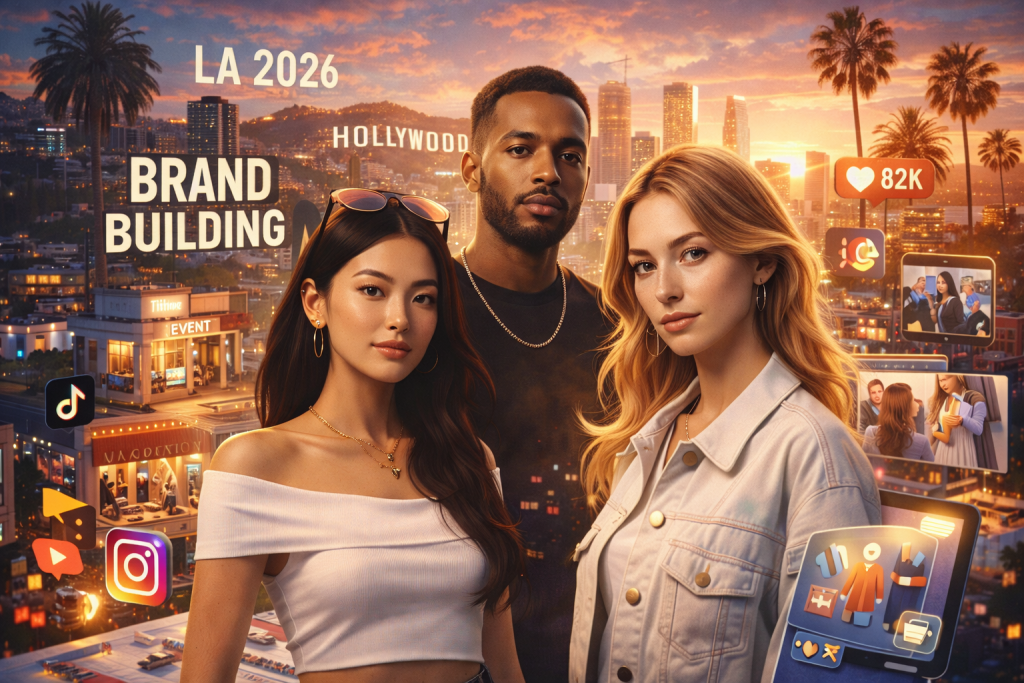

Los Angeles has always been a paradox as a brand city—simultaneously hyper-visible and structurally opaque, trend-setting yet notoriously difficult to systematize. In 2026, however, building a brand in LA no longer follows the mythology of Hollywood gates, celebrity endorsements, or West Coast mystique alone. It has evolved into something more complex: a distributed cultural engine where media, identity, technology, and community collapse into one continuous feedback loop.
To build a brand in LA today is not to “launch” in the traditional sense. It is to enter an ecosystem—one that rewards authenticity, narrative coherence, and adaptive speed more than scale or legacy.
From Hollywood to Hybrid: LA’s Structural Shift
For decades, LA branding meant proximity to Hollywood—studios, agents, celebrities, red carpets. In 2026, that gravitational center has fragmented. Entertainment still matters, but it is no longer centralized.
The city now operates as a polycentric network:
- West Hollywood and Beverly Hills still anchor luxury and image
- Downtown LA blends fashion, art, and experimental retail
- Venice and Santa Monica function as lifestyle and tech-luxury testbeds
- Silver Lake and Echo Park incubate subculture-first brands
- Culver City has emerged as a quiet powerhouse for media-tech convergence
This decentralization mirrors how brands themselves are built: modular, fluid, and platform-native.
Brand ≠ Product: Identity Comes First
In LA, the product is rarely the starting point. The brand begins with a point of view—a stance on culture, aesthetics, wellness, sustainability, gender, technology, or creativity.
By 2026, successful LA-born brands tend to reverse the old equation:
Identity → Community → Content → Product → Distribution
This explains why many LA brands feel “everywhere” before they are commercially dominant. Their presence is emotional and cultural long before it is transactional.
The Platform Reality: Visibility Is Algorithmic
In 2026, building a brand in LA without mastering platforms like TikTok, Instagram, and YouTube is no longer viable. But mastery does not mean virality chasing—it means format fluency.
LA brands understand:
- TikTok is for cultural ignition and narrative shorthand
- Instagram is for aesthetic consistency and brand memory
- YouTube is for long-form legitimacy and depth
The city’s proximity to creators, editors, directors, and post-production talent gives brands an edge—but only if they operate like media companies, not advertisers.
Creators as Infrastructure, Not Accessories
In 2026 LA, creators are not “ambassadors.” They are co-builders.
Many brands now emerge from creators rather than partnering with them after the fact. This blurs the line between founder, spokesperson, and audience. A successful LA brand often has:
- A recognizable human face (or several)
- A behind-the-scenes narrative shared in real time
- A tone that feels conversational, not corporate
This is why brands built in LA tend to feel intimate even when they scale. The audience feels like it grew with the brand.
Physical Space Still Matters—But Differently
Despite its digital dominance, LA has not abandoned physical presence. It has redefined it.
In 2026, physical brand spaces are:
- Studios rather than stores
- Event-ready rather than inventory-heavy
- Designed for content capture as much as for sales
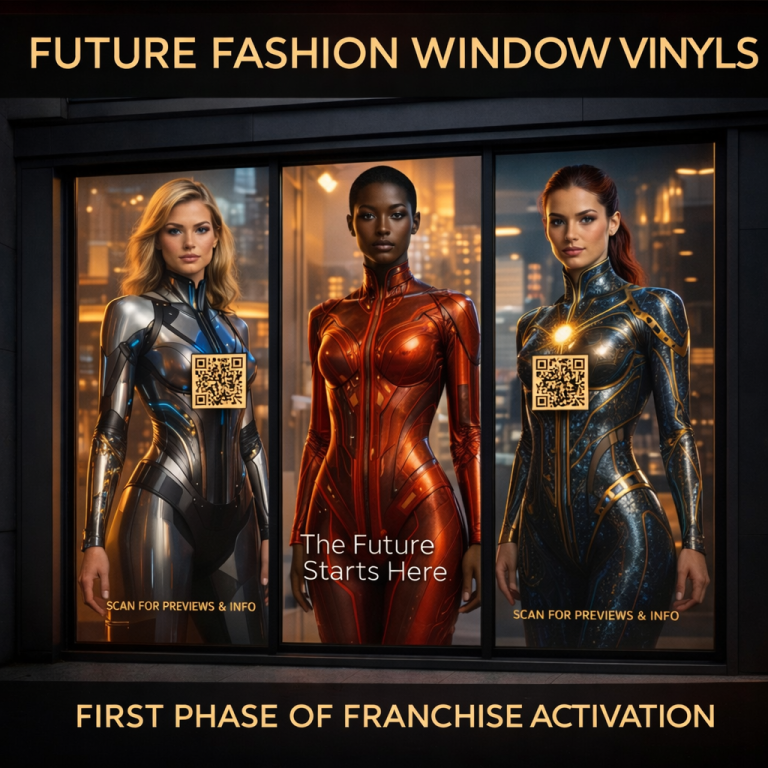
Pop-ups, temporary installations, hybrid café-showroom formats, and invite-only activations outperform traditional retail. The goal is not foot traffic—it is cultural imprinting.
In LA, a brand space that doesn’t generate images, stories, or community moments is underperforming, regardless of sales.
Wellness, Ethics, and Aesthetics Are Intertwined
Unlike New York or Paris, LA consumers expect brands to take a position—on sustainability, mental health, inclusivity, and environmental responsibility.
But in 2026, this expectation has matured. Surface-level signaling is no longer enough. Brands are judged on:
- Supply-chain transparency
- Founder credibility
- Consistency between message and behavior
This is particularly true in fashion, beauty, food, and lifestyle sectors, where LA often acts as the cultural filter before trends globalize.
Technology Is Invisible—but Foundational
AI, data, and automation underpin many LA brands in 2026, but they are rarely foregrounded. Unlike Silicon Valley, LA treats technology as an enabler of creativity, not the story itself.
Behind the scenes, brands use AI for:
- Content iteration and testing
- Demand prediction and drop calibration
- Visual experimentation
- Community insights
On the surface, however, the brand language remains human, emotional, and sensory. In LA, tech succeeds when it disappears.
Why LA Still Matters Globally
Building a brand in LA in 2026 is not about conquering the local market. It is about setting a cultural tone that travels.
What emerges in LA tends to:
- Normalize new aesthetics
- Translate niche subcultures into global signals
- Blend entertainment with commerce seamlessly
That is why LA-built brands often scale internationally faster than expected. They are born global—not because of ambition, but because their narratives are already platform-native and culturally legible worldwide.
Conclusion: LA as a Brand-Acceleration Engine
In 2026, building a brand in Los Angeles means accepting complexity. There is no single playbook—only principles:
- Start with identity, not product
- Treat content as infrastructure
- Build community before scale
- Use technology quietly but strategically
- Let culture, not capital, lead
LA no longer guarantees success. But it does something more valuable: it stress-tests brands against the future. Those that survive—and adapt—don’t just sell products. They export relevance.