





Strategic Infrastructure for Temperature-Controlled Trade
Cold Chain Logistics Corridors represent integrated, end-to-end temperature-controlled transportation and storage networks designed to preserve the quality, safety, and commercial value of perishable goods—particularly seafood, aquaculture products, and high-value marine exports.
For PortsFish, these corridors are not merely logistical routes. They are structured trade arteries that connect harvesting zones, processing plants, ports, airports, distribution hubs, and final markets through a unified, digitally monitored cold ecosystem.
1. Concept Definition
A Cold Chain Logistics Corridor is:
- A geographically structured transport and storage pathway
- Equipped with continuous temperature-controlled systems
- Digitally supervised through IoT sensors, real-time monitoring, and predictive analytics
- Financially optimized to reduce spoilage, delays, and energy waste
- Designed for compliance with international sanitary and export regulations
It ensures product integrity from origin to destination without temperature breakage.
2. Core Components
2.1 Harvest & Landing Zone
- On-board refrigeration or blast freezing systems
- Immediate pre-cooling at dock
- Quality grading and traceability tagging
2.2 Processing & Packing Nodes
- HACCP-certified facilities
- Controlled atmosphere rooms
- Rapid freezing tunnels
- Vacuum and modified atmosphere packaging (MAP)
2.3 Refrigerated Transport Network
- Reefer trucks
- Rail refrigeration units
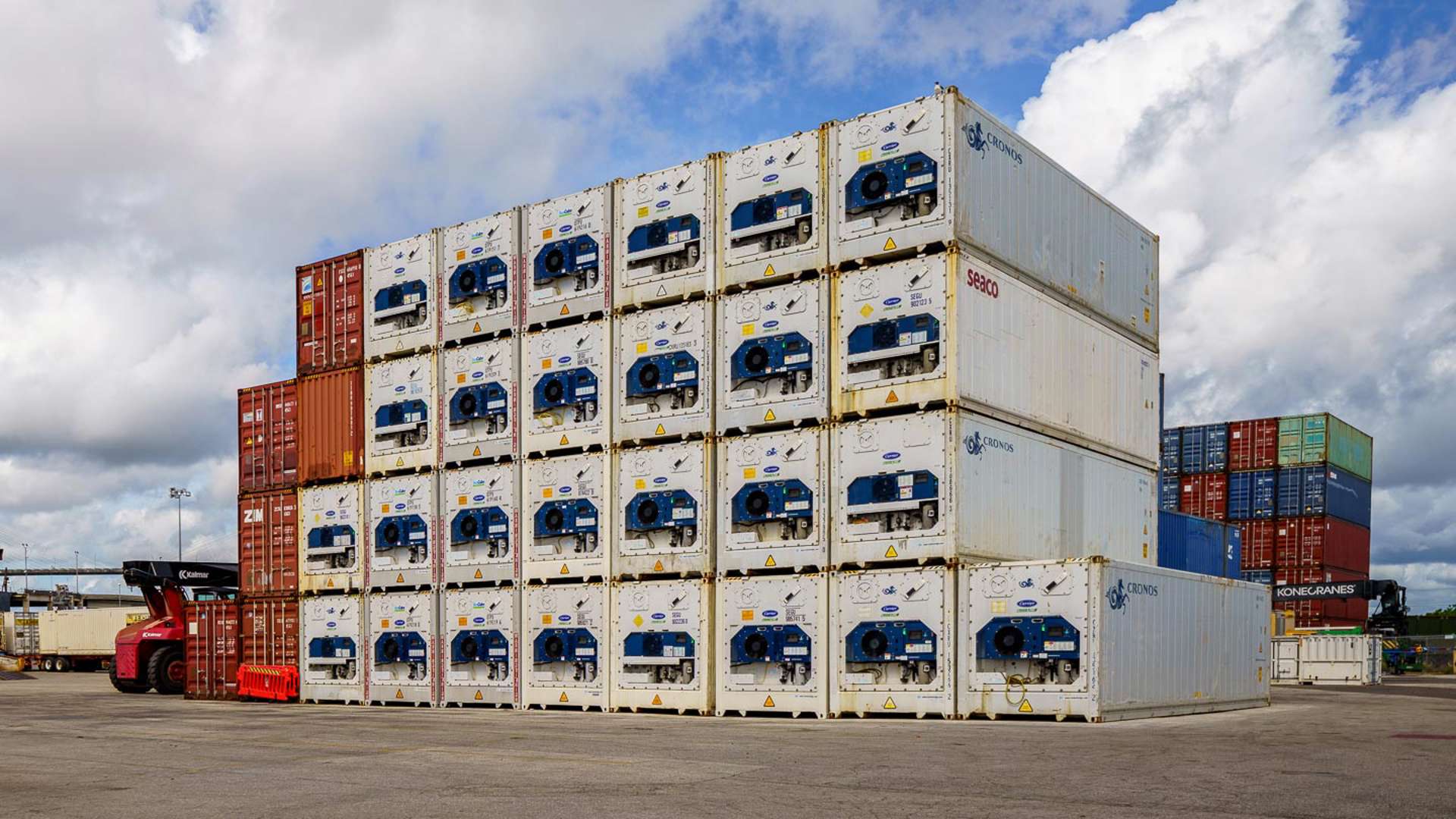
- Reefer shipping containers
- Air cargo cold holds
2.4 Smart Cold Storage Hubs
- Cross-docking refrigerated warehouses
- Automated pallet handling
- Energy-optimized refrigeration systems
- AI-driven inventory rotation (FIFO/FEFO models)
2.5 Digital Control Layer
- IoT temperature and humidity sensors
- GPS + route optimization
- Blockchain-based traceability
- Predictive spoilage analytics
- Automated compliance reporting
3. Strategic Importance for Seafood Trade
Seafood is one of the most sensitive categories in global trade. Temperature deviations of even 1–2°C can significantly reduce shelf life and compromise export compliance.
A properly structured Cold Chain Corridor:
- Extends product shelf life by 20–40%
- Reduces spoilage losses by up to 30%
- Increases export price premiums
- Enables access to high-regulation markets (EU, USA, Japan, GCC)
- Improves brand reputation and buyer trust
For PortsFish, this means converting logistical reliability into financial value.
4. Economic & Commercial Impact
4.1 Revenue Optimization
- Premium pricing for verified cold integrity
- Reduced insurance risk
- Lower claim rates
- Increased export frequency
4.2 Cost Efficiency
- Reduced waste
- Energy optimization
- Route consolidation
- Faster customs clearance via pre-certified cold documentation
4.3 Financing Potential
Cold Chain Corridors qualify as:
- Sustainable infrastructure assets
- ESG-compliant investments
- Green logistics bonds
- Public-private partnership models
This makes them bankable infrastructure projects.
5. Technological Integration
PortsFish can integrate Cold Chain Corridors with:
- Digital trade platforms
- AI demand forecasting
- Smart inventory systems
- Real-time buyer access dashboards
- ESG reporting modules
This converts the corridor into a data-driven commercial platform, not just a transport system.
6. ESG & Sustainability Dimension
Modern cold corridors integrate:
- Solar-assisted refrigeration
- High-efficiency compressors
- Low-emission transport fleets
- Refrigerants with reduced GWP (Global Warming Potential)
- Carbon footprint monitoring per shipment
This aligns seafood logistics with global climate objectives and sustainability financing mechanisms.
7. Competitive Advantage for PortsFish
Implementing Cold Chain Logistics Corridors positions PortsFish as:
- A reliable export enabler
- A structured seafood trade platform
- A high-standard compliance ecosystem
- A scalable logistics integrator
It transforms fragmented cold logistics into a systemized, bankable, and digitally traceable trade infrastructure.
8. Future Expansion
Advanced evolution may include:
- AI-managed dynamic pricing based on shelf-life projection
- Autonomous reefer transport fleets
- Smart port refrigerated corridors
- Satellite temperature monitoring
- Integrated insurance underwriting algorithms
This evolution converts PortsFish into a Cold Trade Intelligence Platform.
Executive Summary
Cold Chain Logistics Corridors are not simply refrigerated routes.
They are structured, intelligent, ESG-aligned, digitally monitored trade infrastructures that:
- Protect product value
- Increase export competitiveness
- Reduce systemic waste
- Unlock sustainable financing
- Position PortsFish as a premium global seafood logistics platform