





Intelligent Infrastructure for High-Performance Maritime Trade
Smart Port Integration is the structured digital transformation of port ecosystems through automation, real-time data systems, AI optimization, and interoperable logistics platforms.
For PortsFish, Smart Port Integration is not simply technological modernization — it is the creation of a fully synchronized maritime logistics intelligence layer that connects vessels, cold chain corridors, customs, storage hubs, and global buyers into a single operational system.
1. Concept Definition
Smart Port Integration refers to:
- The digitization of port operations
- AI-driven optimization of cargo flows
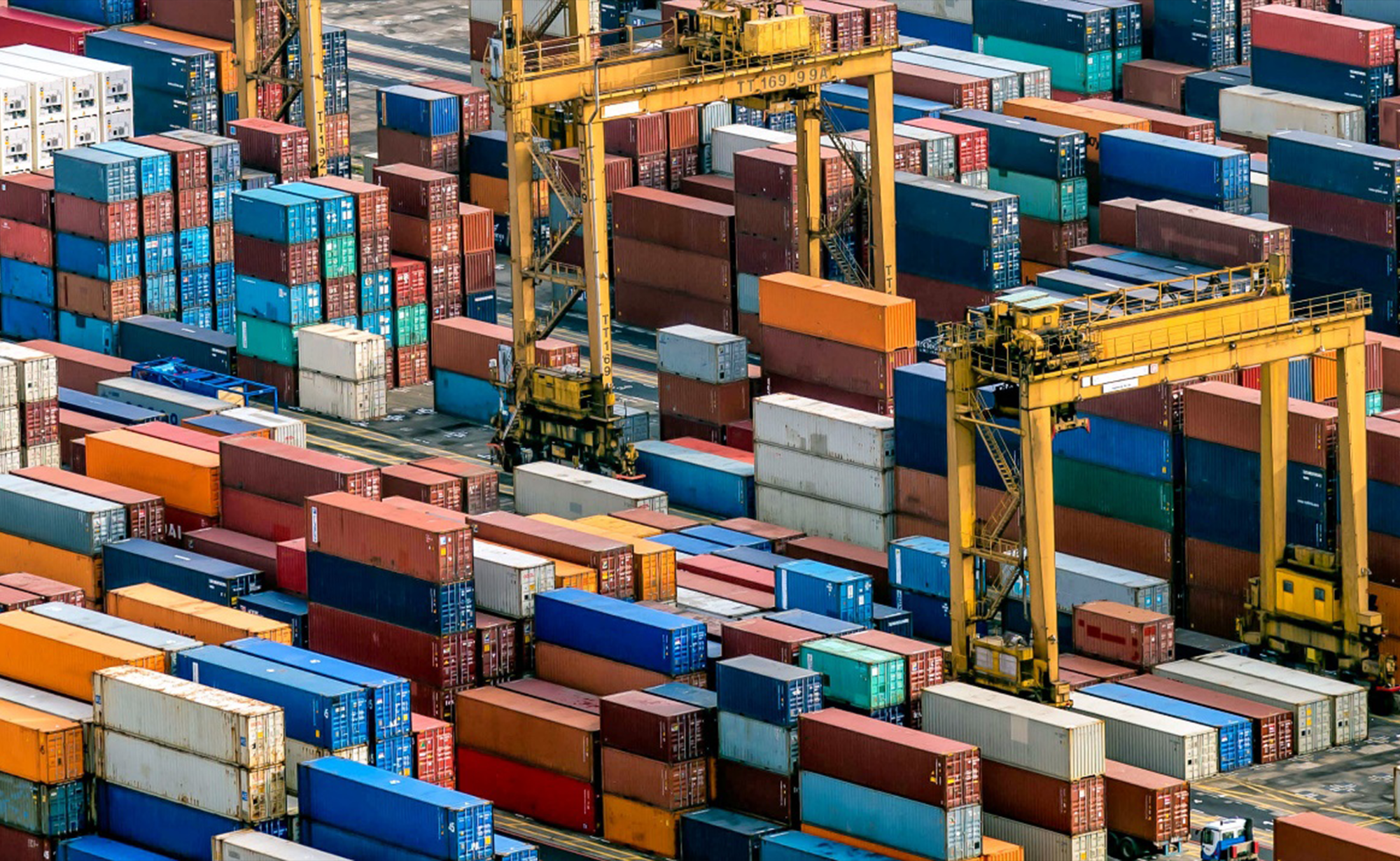
- Automation of container handling
- Real-time visibility across the supply chain
- Integration between physical infrastructure and digital command systems
It transforms ports from passive transit points into active, data-driven logistics platforms.
2. Core Architecture
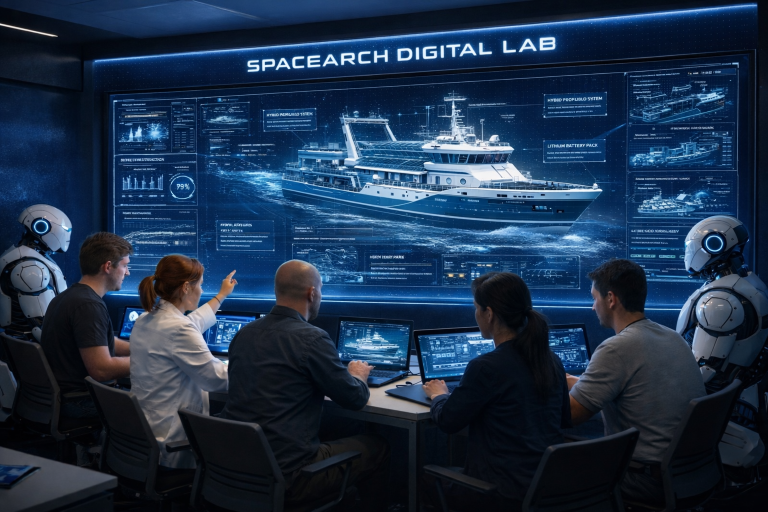
2.1 Digital Operations Center (DOC)
Centralized control room integrating:
- Vessel traffic management
- Dock allocation algorithms
- Cold chain temperature dashboards
- Customs pre-clearance data
- Energy consumption analytics
This creates a unified decision-making layer.
2.2 Automation & Robotics
- Automated stacking cranes (ASC)
- Autonomous guided vehicles (AGVs)
- Robotic inspection systems
- Automated reefer plug-in management
Automation reduces human error, increases safety, and accelerates throughput.
2.3 IoT & Real-Time Monitoring
- Smart container sensors
- Environmental condition monitoring
- Structural health monitoring of docks
- Energy and grid management systems
For seafood exports, real-time reefer monitoring ensures uninterrupted temperature integrity.
2.4 Blockchain & Trade Documentation
- Digital bills of lading
- Smart contracts
- Export certification automation
- Traceability from catch to destination
This reduces paperwork delays and increases trust across borders.
2.5 Port Digital Twin
A dynamic simulation model of the port infrastructure allowing:
- Congestion forecasting
- Predictive maintenance
- Capacity expansion modeling
- Emergency scenario simulation
This allows PortsFish to anticipate bottlenecks before they occur.
3. Strategic Importance for PortsFish
Smart Port Integration enhances:
- Cold chain reliability
- Export scheduling precision
- Customs efficiency
- Vessel turnaround time
- Trade transparency
For seafood logistics, even small delays can compromise freshness and contract compliance. Smart integration minimizes such risks.
4. Economic & Financial Impact
4.1 Throughput Acceleration
- Reduced vessel idle time
- Faster container movement
- Higher port capacity utilization
4.2 Cost Optimization
- Reduced manual labor inefficiencies
- Lower energy waste
- Fewer cargo losses
4.3 Revenue Enhancement
- Premium positioning for tech-enabled exports
- Attracting global shipping alliances
- Higher port valuation as digital infrastructure
Smart ports increase asset bankability and long-term concession value.
5. ESG & Sustainability Dimension
Smart Port Integration enables:
- Electrified dock systems
- Shore power for vessels (cold ironing)
- Carbon emission monitoring
- AI-driven energy load balancing
- Integration with renewable microgrids
This aligns PortsFish with global green logistics standards.
6. Cybersecurity & Risk Management
Digital integration requires:
- Encrypted communication layers
- Multi-factor authentication for port systems
- AI anomaly detection
- Redundant backup infrastructure
- Maritime cybersecurity protocols
Ports are critical infrastructure — digital security is essential.
7. Competitive Positioning
By integrating smart port systems, PortsFish becomes:
- A high-efficiency maritime export platform
- A reliable seafood logistics hub
- A compliant international trade gateway
- A scalable infrastructure operator
This moves the company beyond traditional logistics into maritime digital infrastructure leadership.
8. Future Expansion Path
- AI-driven berth allocation optimization
- Autonomous cargo vessels integration
- Cross-border digital port alliances
- Satellite-linked cargo monitoring
- Smart insurance risk scoring
Over time, Smart Port Integration evolves into a Global Intelligent Trade Network.
Executive Summary
Smart Port Integration converts maritime infrastructure into a synchronized, automated, AI-enhanced trade ecosystem.
For PortsFish, this means:
- Faster exports
- Higher product integrity
- Lower operational risk
- ESG-aligned growth
- Increased institutional investment attractiveness
It transforms the port from a physical node into a strategic digital trade platform.