

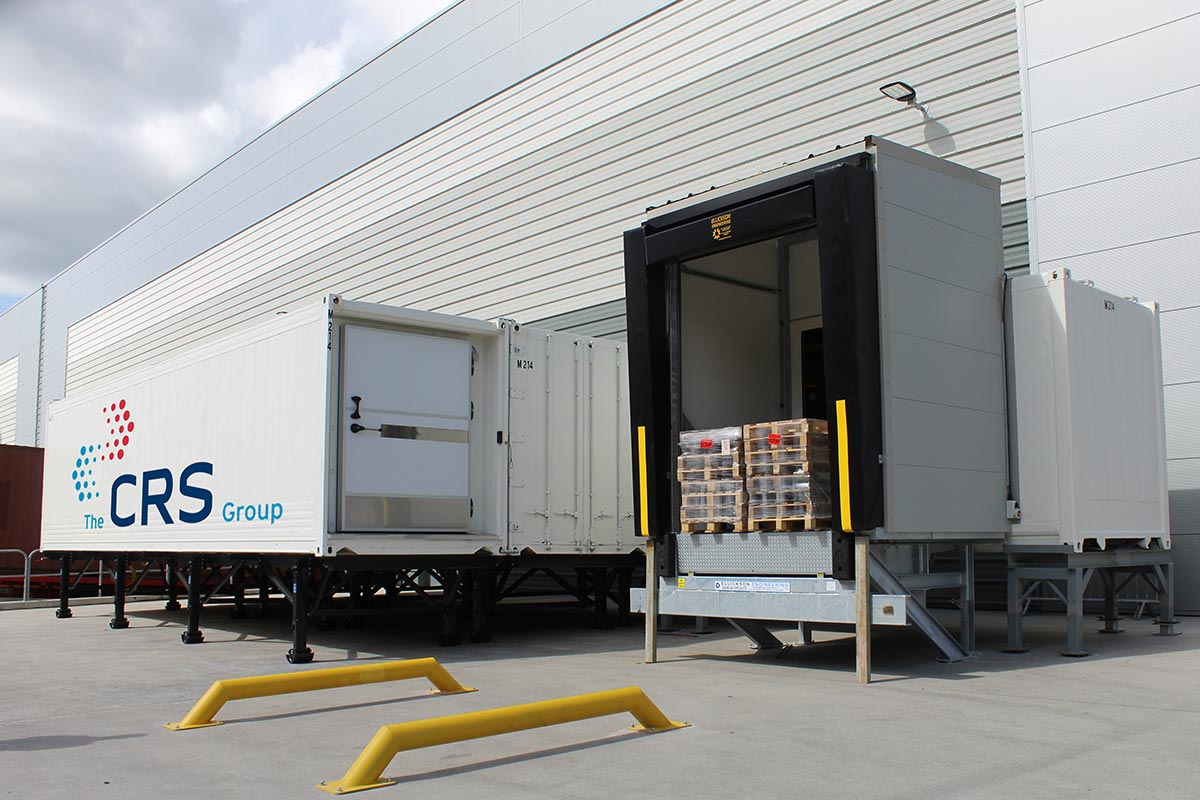
Thermal Infrastructure Layer – Portsfish Strategic Port Network
Strategic Positioning
Within Portsfish.Agency, Cold Storage Construction represents the thermal backbone of the maritime protein ecosystem.
Cold storage is not merely warehousing — it is:
- Margin protection infrastructure
- Export reliability architecture
- Trade timing flexibility
- Financial stabilization mechanism
- Risk mitigation system
In the Strategic Port Network, cold storage transforms volatile seafood supply into a controlled, bankable, export-grade asset flow.
1. Infrastructure Objectives
Cold Storage Construction programs are designed to:
1️⃣ Preserve product integrity from processing to export
2️⃣ Reduce post-harvest losses
3️⃣ Synchronize with vessel schedules
4️⃣ Optimize working capital cycles
5️⃣ Enable price arbitrage via controlled release
6️⃣ Meet international export compliance standards
2. Facility Typologies
A. Blast Freezing Units
- Rapid freezing at -35°C to -40°C
- Core temperature reduction to -18°C within hours
- Prevents cell damage and quality degradation
- Essential for export-grade frozen products
B. Frozen Storage Warehouses
- Temperature: -18°C to -25°C
- High-density pallet racking systems
- Automated retrieval systems (AS/RS optional)
- Energy-efficient insulation panels
C. Chilled Storage Facilities
- Temperature: 0°C to 2°C
- Fresh product staging
- Short-cycle export holding
- High turnover configuration
D. Reefer Dock Integration
- Direct refrigerated container loading
- Dock-to-container thermal continuity
- Minimal exposure time
- Automated pallet transfer
3. Technical Engineering Specifications
3.1 Structural Components
- High-performance insulated sandwich panels
- Polyurethane core insulation (≥150mm thickness)
- Vapor barrier protection
- Anti-corrosion stainless internal finishes
- Hygienic flooring with drainage systems
3.2 Refrigeration Systems
Options include:
- Ammonia-based industrial systems
- CO₂ cascade systems
- Freon alternatives (low GWP compliant)
- Variable-speed compressors
Energy optimization through:
- Heat recovery systems
- Smart defrost cycles
- Demand-based cooling modulation
4. Capacity Planning Model
Storage capacity calculation:Required Capacity=Daily Production×Buffer Days
Example:
- 50 tons/day production
- 20-day export buffer
Capacity = 1,000 tons
Space estimation:1 ton≈2.5−3.5 m3
5. Energy Efficiency & Cost Model
Energy consumption per ton stored:
0.25–0.40 kWh/kg/month (benchmark)
Energy cost formula:Energy Cost=kWh×Local Tariff
Energy represents 20–35% of OPEX in cold storage facilities.
Optimization through:
- Solar integration
- Thermal battery systems
- Smart load balancing
- High-efficiency compressors
6. Financial Architecture
6.1 CAPEX (Illustrative – 2,000 Ton Facility)
| Component | USD (M) |
|---|---|
| Structure & Panels | 4 |
| Refrigeration System | 5 |
| Electrical Systems | 2 |
| Racking & Automation | 3 |
| Dock Integration | 2 |
| Contingency | 2 |
Total ≈ 18M USD
6.2 Revenue Model
Cold storage generates revenue via:
- Storage fee per ton/day
- Handling fee per pallet
- Blast freezing charge
- Reefer loading fee
- Third-party logistics services
Example fee model:
- Storage: 12–25 USD/ton/day
- Blast freeze: 80–120 USD/ton
6.3 EBITDA Model
Well-managed facilities achieve:
- EBITDA margins: 28–45%
- Payback: 5–7 years
- IRR: 15–22%
Higher if integrated with processing plants.
7. Risk Mitigation
Cold storage reduces:
- Export delay losses
- Market timing volatility
- Climate disruption impact
- Processing bottlenecks
- Supply chain interruptions
Thermal buffer capacity stabilizes revenue flow.
8. Digital Monitoring & Control
Smart Cold Chain System
- IoT temperature sensors
- Real-time humidity monitoring
- Automated alert systems
- Remote compressor control
- Blockchain traceability integration
KPI dashboard includes:
- Temperature deviation rate
- Energy intensity
- Occupancy rate
- Throughput velocity
- Loss ratio
9. Multi-Port Network Integration
In a multi-port configuration:
- Capacity balancing between ports
- Inventory transfer coordination
- Export timing optimization
- Cold chain redundancy
Network-level cold capacity becomes a strategic arbitrage tool.
10. ESG & Sustainability Alignment
Cold storage facilities designed to:
- Reduce refrigerant leakage
- Optimize energy intensity
- Incorporate solar or wind support
- Minimize carbon footprint per kg stored
Carbon intensity formula:CO2/kg=Total Tons StoredEnergy Consumption×Emission Factor
Eligible for:
- Green infrastructure financing
- Blue bonds
- Sustainability-linked loans
11. Advanced Modules
A. Automated Storage & Retrieval Systems (AS/RS)
- Robotic pallet handling
- High-density vertical stacking
- Labor reduction 20–35%
B. Dynamic Pricing Module
Cold storage linked to Price Forecast Dashboard:
If forecast price increase >8%, inventory release adjusted strategically.
C. Disaster Resilience Design
- Backup power generators
- Redundant refrigeration units
- Flood-protected foundations
- Climate risk elevation standards
12. Strategic Outcome
Cold Storage Construction transforms maritime protein supply chains into:
- Thermally controlled industrial systems
- Revenue-stabilizing infrastructure
- Trade timing flexibility engines
- Investment-grade logistical assets
- Integrated components of the Strategic Port Network
Positioning Statement for Menu
Cold Storage Construction within Portsfish delivers high-efficiency, ESG-aligned, digitally monitored thermal infrastructure that safeguards product value, stabilizes export operations, enhances working capital control, and strengthens the industrial resilience of the Strategic Port Network.
Blue Infrastructure Fund Integration Framework
Capital Architecture for Maritime Industrial Assets
Portsfish Strategic Port Network
I. Executive Overview
The Blue Infrastructure Fund Integration Framework (BIFIF) is the capital structuring architecture that connects maritime industrial assets — aquaculture, processing plants, cold storage, smart fleets, and port logistics — into a unified, finance-ready investment platform.
It converts fragmented operational projects into:
- Infrastructure-grade assets
- ESG-compliant capital vehicles
- Risk-diversified maritime portfolios
- Institutional-ready investment products
The framework integrates:
Industrial Assets + Structured Finance + Risk Modeling + ESG Certification + Portfolio Governance
II. Fund Architecture
1️⃣ Legal & Structural Model
Master Fund Structure
- Fund Vehicle: Closed-End Blue Infrastructure Fund
- Tenor: 10–12 years
- Target Size: USD 300M – 1.5B
- Structure: GP/LP model
- Domicile options: Delaware / Luxembourg / DIFC
SPV Layer
Each asset category structured as separate SPV:
- SPV-AQ (Aquaculture clusters)
- SPV-PP (Processing plants)
- SPV-CS (Cold storage)
- SPV-SF (Smart fleets)
- SPV-PI (Port infrastructure upgrades)
This isolates operational risk while enabling portfolio aggregation.
III. Asset Allocation Strategy
| Segment | Allocation Range |
|---|---|
| Aquaculture | 30–45% |
| Processing | 15–25% |
| Cold Storage | 15–20% |
| Smart Fleets | 10–15% |
| Port Infrastructure | 5–10% |
Dynamic allocation based on IRR ranking and climate risk scoring.
IV. Capital Stack Integration
Each SPV structured with layered capital:
| Layer | % | Characteristics |
|---|---|---|
| Equity | 30–40% | Institutional LP capital |
| Senior Debt | 40–50% | Infrastructure loans |
| Mezzanine | 10–15% | Yield-enhanced instruments |
| Grants / Blended Finance | 0–10% | Development banks |
V. Blue Bond & Green Financing Layer
Eligible assets (cold storage, fleets, low-impact aquaculture) can issue:
- Blue Bonds
- Sustainability-linked loans
- ESG-linked notes
- Carbon-reduction performance bonds
Interest rate discount potential:
0.50–1.25% depending on ESG scoring.
VI. Portfolio Risk Modeling
1️⃣ Diversification Effect
Multi-port structure reduces:
- Climate exposure concentration
- Regulatory jurisdiction risk
- Species-specific biological volatility
- Fuel price exposure
Portfolio Beta Reduction Model:βPortfolio=∑wiβi−Diversification Effect
2️⃣ Monte Carlo Risk Simulation
Stress scenarios include:
- Price decline (-15%)
- Feed cost spike (+20%)
- Fuel shock (+25%)
- Storm disruption
- Regulatory quota reduction
Probability-weighted IRR calculated for institutional reporting.
VII. Yield Stabilization Mechanisms
1️⃣ Long-term export contracts
2️⃣ Hedging strategies (fuel, currency)
3️⃣ Cold storage arbitrage flexibility
4️⃣ Fleet fuel optimization
5️⃣ Cross-port capacity balancing
These convert volatile cash flow into predictable distributions.
VIII. ESG & Impact Integration
Blue Impact Metrics
- CO₂ per kg landed
- Water efficiency ratio
- Biodiversity compliance index
- Sustainable stock utilization
- Energy intensity per ton processed
Impact reporting aligned with:
- UN SDG 14 (Life Below Water)
- Sustainable finance taxonomy standards
- Institutional ESG reporting frameworks
IX. Cash Flow Aggregation Model
Portfolio Free Cash Flow:FCFPortfolio=∑(EBITDAi−Debt Servicei−Capexi)
Distribution waterfall:
- Senior debt
- Mezzanine
- Preferred return to LPs
- GP carry (after hurdle rate)
Target Hurdle Rate: 8%
Target Net IRR: 15–20%
X. Capital Deployment Phases
Phase I – Anchor Port Cluster
3 integrated ports
Full vertical integration
Phase II – Regional Expansion
5–7 ports
Cross-border trade corridors
Phase III – Global Maritime Protein Corridor
10+ ports
Network-scale procurement & finance leverage
XI. Institutional Investment Positioning
The Blue Infrastructure Fund is positioned as:
- Climate-resilient infrastructure
- Inflation-hedged real asset exposure
- Export-oriented revenue stream
- ESG-aligned income vehicle
- Multi-jurisdictional maritime platform
Target Investors:
- Family offices
- Sovereign wealth funds
- ESG infrastructure funds
- Development banks
- Pension funds
XII. Governance & Transparency
- Independent fund administrator
- Quarterly NAV reporting
- Third-party ESG audit
- Digital production transparency via Portsfish dashboard
- Centralized capital allocation committee
XIII. Strategic Outcome
The Blue Infrastructure Fund Integration Framework:
Transforms isolated maritime projects into:
- Structured capital assets
- Risk-diversified infrastructure portfolios
- Institutional-grade maritime platforms
- Climate-aligned investment corridors
It enables Portsfish to move from operational excellence to:
Capital market scalability.
Positioning Statement for Menu
Blue Infrastructure Fund Integration Framework within Portsfish provides the structured capital architecture that aggregates aquaculture, processing, cold storage, smart fleets, and port logistics into a diversified, ESG-compliant, infrastructure-grade investment platform designed for institutional capital deployment.