

Integrated Coastal Production & Logistics Platforms
Portsfish Strategic Port Network
Strategic Positioning
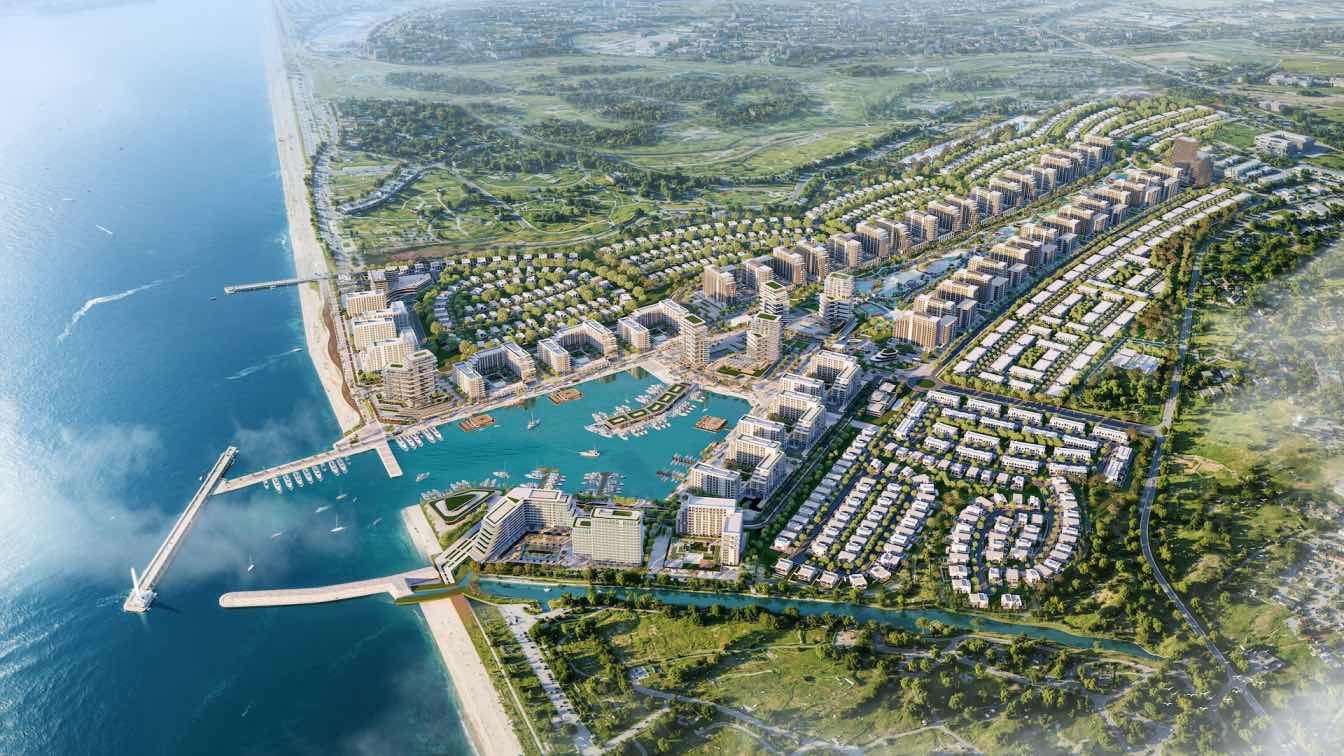
Within Portsfish.Agency, Maritime Industrial Zones (MIZ) represent the territorial and industrial structuring layer that transforms coastal areas into:
- Vertically integrated marine production hubs
- Export-oriented logistics corridors
- Cold-chain enabled industrial clusters
- Smart fleet operational ecosystems
- ESG-aligned maritime investment platforms
A Maritime Industrial Zone is not merely an industrial park near water. It is a planned, synchronized, capital-structured marine production ecosystem connected to the Strategic Port Network.
I. Conceptual Framework
A Maritime Industrial Zone integrates five operational pillars within a defined coastal perimeter:
1️⃣ Marine Harvest & Landing
2️⃣ Processing & Value Addition
3️⃣ Cold Storage & Thermal Infrastructure
4️⃣ Logistics & Export Operations
5️⃣ Digital & Financial Integration
The objective is to eliminate friction between maritime production and global trade.
II. Spatial & Functional Design
1️⃣ Core Zoning Architecture
| Zone | Function |
|---|---|
| Marine Interface | Vessel berthing & landing |
| Processing Core | Filleting, packaging, value-add |
| Cold Chain Hub | Blast freezing & storage |
| Logistics Platform | Container staging & dispatch |
| Support & Services | Maintenance, utilities, admin |
Flow principle:
Harvest → Processing → Freezing → Storage → Export
Linear, non-crossing logistics design.
2️⃣ Land Use Optimization
Key design principles:
- Minimum 30–50 hectares (scalable)
- Direct dock adjacency
- Segregated sanitary zones
- Redundant utility corridors
- Modular expansion capacity
Land-use efficiency measured by:Revenue/m2=Total Zone AreaTotal Industrial Output
III. Infrastructure Components
A. Marine Infrastructure
- Deep-water berths
- Dredged access channels
- Vessel traffic management systems
- Smart docking sensors
B. Industrial Processing Facilities
- HACCP-compliant processing plants
- Automated cutting lines
- By-product valorization units
- Waste-to-energy integration
C. Cold Chain Infrastructure
- Blast freezing tunnels
- -18°C storage facilities
- Reefer container integration
- Temperature-monitored logistics lanes
D. Utilities & Energy
- High-capacity electrical grid
- Backup power generation
- Solar rooftop installations
- Water treatment & recirculation systems
IV. Digital Industrial Layer
Each Maritime Industrial Zone includes:
1️⃣ Port Operating System (POS)
- Real-time cargo scheduling
- Dock allocation management
2️⃣ Industrial Monitoring Dashboard
- Yield tracking
- OPEX per kg
- Energy intensity
- Throughput velocity
3️⃣ Trade & Financial Integration
- Price Index & Forecasting
- Supply-Demand Analytics
- Export contract synchronization
- Carbon accounting module
V. Economic Model
Revenue Streams
- Processing leases
- Cold storage fees
- Docking tariffs
- Energy service fees
- Logistics handling fees
- Fleet service contracts
Total Zone Revenue:Total Revenue=Industrial Output+Logistics Fees+Infrastructure Rentals
CAPEX (Illustrative 50-Hectare Zone)
| Component | USD (M) |
|---|---|
| Marine Works | 40 |
| Processing Facilities | 60 |
| Cold Storage | 35 |
| Logistics & Containers | 25 |
| Utilities & Grid | 30 |
| Digital Systems | 15 |
| Environmental Mitigation | 20 |
| Contingency | 25 |
Total ≈ 250M USD
Financial Performance Targets
- EBITDA Margin: 28–40%
- IRR: 16–22%
- Stabilization: Year 4–5
- DSCR: ≥1.5
VI. Climate & ESG Integration
Maritime Industrial Zones incorporate:
- Elevated flood-resistant platforms
- Storm surge barriers
- Energy efficiency standards
- Low-GWP refrigeration systems
- Biodiversity protection corridors
Carbon intensity metric:CO2/ton=Total ThroughputTotal Energy Use×Emission Factor
VII. Multi-Port Network Integration
When multiple Maritime Industrial Zones are integrated:
- Procurement pooling
- Capacity balancing
- Export route optimization
- Risk diversification across geographies
- Centralized capital allocation
Network EBITDA uplift:
+5–9%
VIII. Risk Mitigation Architecture
Mitigates:
- Biological production volatility
- Climate disruption
- Regulatory constraints
- Market timing risk
- Energy price exposure
Integrated cold storage buffers and multi-species strategy reduce earnings volatility.
IX. Governance & Institutional Framework
- Public-private partnership structure
- Concession agreements (20–30 years)
- ESG performance reporting
- Independent industrial audit
- Quarterly NAV and KPI disclosure
Eligible for:
- Blue Infrastructure Fund integration
- Sovereign co-investment
- Development bank financing
- Blue bond issuance
X. Strategic Outcome
Maritime Industrial Zones convert fragmented coastal operations into:
- Integrated marine industrial corridors
- Climate-resilient export platforms
- Digitally synchronized production ecosystems
- Infrastructure-grade investment vehicles
They serve as the territorial foundation of the Portsfish Strategic Port Network.
Positioning Statement for Menu
Maritime Industrial Zones within Portsfish deliver master-planned, vertically integrated coastal production and logistics ecosystems that synchronize marine harvesting, processing, cold-chain infrastructure, and export operations into ESG-aligned, investment-grade maritime industrial platforms.
MARITIME INDUSTRIAL ZONES
Integrated Technical – Financial – Strategic Master Framework
Portsfish Strategic Port Network


4
I. EXECUTIVE STRATEGIC CONCEPT
A Maritime Industrial Zone (MIZ) within Portsfish is a master-planned coastal production and logistics ecosystem that integrates:
- Marine harvesting & fleet landing
- Industrial processing clusters
- Cold-chain thermal infrastructure
- Containerized export logistics
- Digital maritime intelligence systems
- Structured capital integration
It transforms underutilized coastal territories into:
Vertically integrated, climate-resilient, infrastructure-grade maritime corridors.
II. SYSTEM ARCHITECTURE
1️⃣ Spatial Master Planning Framework
A Maritime Industrial Zone is structured in five synchronized layers:
A. Marine Interface Layer
- Deep-water berths
- Dredged access channels
- Vessel traffic management systems
- Fuel & maintenance docks
B. Processing Core
- HACCP-certified plants
- Automated filleting lines
- By-product valorization units
- Quality control laboratories
C. Cold Chain Core
- Blast freezing tunnels (-35°C)
- Frozen storage (-18°C to -25°C)
- Chilled staging (0–2°C)
- Reefer dock integration
D. Logistics & Export Platform
- Container yard optimization
- Smart gate automation
- Customs clearance zone
- Export documentation digitalization
E. Utility & Energy Infrastructure
- High-capacity power grid
- Backup generation
- Solar integration
- Water treatment & recirculation systems
III. INDUSTRIAL FLOW MODEL
Design principle:
Harvest → Landing → Processing → Freezing → Storage → Export
Linear, friction-minimized flow.
Zero cross-contamination pathways.
Minimal product dwell time outside thermal control.
Operational throughput formula:Throughput=Processing Capacity×Utilization Rate
Target utilization rate: >85%.
IV. DIGITAL INTELLIGENCE LAYER
Each Maritime Industrial Zone includes:
1️⃣ Port Operating System (POS)
- Dock scheduling
- Cargo allocation
- Vessel turnaround tracking
2️⃣ Industrial KPI Dashboard
- Yield per batch
- Energy intensity per kg
- OPEX per ton
- Cold loss ratio
- Labor productivity
3️⃣ AI Optimization Engine
Zone Efficiency=f(Throughput,Energy,Yield,Cold Loss,Market Timing)
V. FINANCIAL ARCHITECTURE
1️⃣ CAPEX MODEL (Illustrative 60-Hectare Zone)
| Component | USD (M) |
|---|---|
| Marine Works | 50 |
| Processing Plants | 75 |
| Cold Storage | 40 |
| Logistics & Yard | 35 |
| Utilities | 30 |
| Digital Systems | 20 |
| Climate Resilience | 25 |
| Contingency | 25 |
Total ≈ 300M USD
2️⃣ Revenue Streams
Diversified income model:
- Processing leases
- Cold storage fees
- Docking tariffs
- Energy service contracts
- Fleet service agreements
- Container handling fees
Revenue equation:Total Revenue=∑(Volumei×Tariffi)
3️⃣ EBITDA & IRR Targets
- EBITDA margin: 30–42%
- IRR: 17–23%
- Payback: 6–8 years
- DSCR ≥ 1.5
Multi-tenant structure stabilizes cash flow.
VI. BLUE INFRASTRUCTURE FUND INTEGRATION
Maritime Industrial Zones are structured as SPVs within the Blue Infrastructure Fund:
- Equity: 30–40%
- Senior Debt: 45–55%
- Mezzanine: 10–15%
Eligible for:
- Blue Bonds
- Sustainability-linked loans
- Sovereign co-investment
- Development bank participation
VII. CLIMATE & RESILIENCE ENGINEERING
Integrated resilience components:
- Elevated dock platforms
- Flood-resistant electrical infrastructure
- Storm surge protection barriers
- Reinforced breakwaters
- Redundant refrigeration systems
Climate premium:Resilience Cost=8–15%of Total CAPEX
Long-term insurance and operational savings justify premium.
VIII. MULTI-PORT NETWORK EFFECT
When 3–10 Maritime Industrial Zones are integrated:
1️⃣ Procurement Synergy
Bulk contracts reduce OPEX 5–12%.
2️⃣ Capacity Balancing
Redistribution during peak congestion.
3️⃣ Risk Diversification
Climate and regulatory spread.
4️⃣ EBITDA Uplift
Network-wide increase: +5–9%.
IX. ESG & IMPACT FRAMEWORK
Measured metrics:
- CO₂ per ton processed
- Water recirculation efficiency
- Waste-to-value ratio
- Biodiversity compliance
- Energy intensity
Carbon intensity formula:CO2/ton=ThroughputEnergy Consumption×Emission Factor
Supports SDG 14 alignment.
X. GOVERNANCE MODEL
- Concession agreements (20–30 years)
- PPP structures
- Independent industrial audit
- Quarterly performance reporting
- Digital transparency dashboards
XI. RISK MITIGATION FRAMEWORK
Maritime Industrial Zones reduce:
- Biological volatility
- Export bottlenecks
- Cold chain failure
- Energy price exposure
- Climate disruption
Cold storage buffers and multi-species strategies stabilize margins.
XII. STRATEGIC OUTCOME
Maritime Industrial Zones become:
- Integrated coastal industrial corridors
- Export-optimized logistics ecosystems
- Climate-resilient maritime platforms
- Infrastructure-grade investment assets
- Core territorial nodes of the Portsfish Strategic Port Network
They reposition coastal regions from fragmented operations to:
Integrated Maritime Production & Trade Infrastructure Systems.
Positioning Statement for Menu
Maritime Industrial Zones within Portsfish deliver fully integrated, master-planned coastal production and logistics ecosystems that combine marine harvesting, industrial processing, cold-chain infrastructure, digital intelligence, and structured finance into scalable, ESG-aligned, infrastructure-grade maritime platforms.