

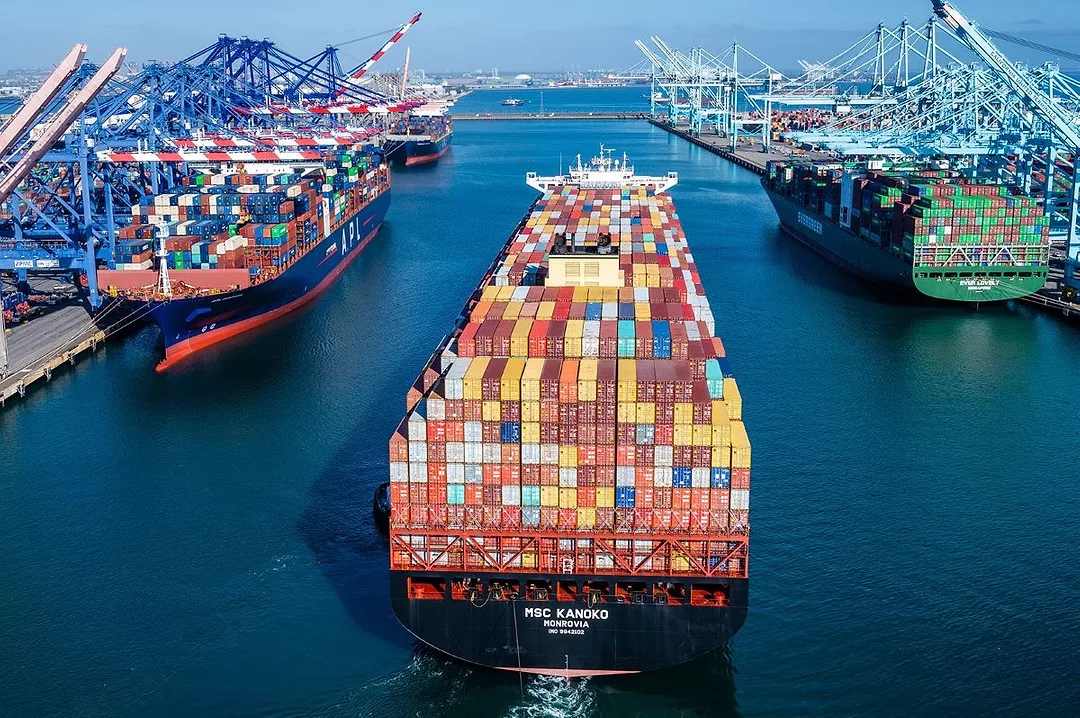
Governance & Capital Structuring Layer – Portsfish Strategic Port Network
Strategic Positioning
Within Portsfish.Agency, Public–Private Partnership (PPP) Models represent the institutional governance and capital structuring mechanism that enables:
- Port revitalization
- Maritime industrial zone development
- Cold storage construction
- Processing plant expansion
- Smart fleet modernization
- Blue infrastructure financing
PPP structures convert complex maritime projects into bankable, risk-balanced, long-term concession frameworks aligned with sovereign priorities and institutional capital standards.
I. Core PPP Philosophy
Portsfish PPP Models are designed to:
1️⃣ Align public infrastructure ownership with private operational efficiency
2️⃣ Distribute risk across stakeholders
3️⃣ Secure long-term concession stability
4️⃣ Unlock institutional and multilateral financing
5️⃣ Maintain regulatory transparency
6️⃣ Ensure ESG and climate compliance
PPP is not privatization — it is structured collaboration.
II. PPP Structural Typologies
1️⃣ Concession Model (20–30 Years)
- Public authority retains asset ownership
- Private partner finances, builds, and operates
- Revenue-sharing agreement
- Performance-based KPIs
Best suited for:
- Port revitalization
- Container terminals
- Cold storage hubs
2️⃣ Build–Operate–Transfer (BOT)
- Private sector finances and builds
- Operates for fixed concession period
- Transfers asset back to public authority
Ideal for:
- Processing plants
- Maritime industrial utilities
- Renewable energy integration
3️⃣ Joint Venture (JV) Model
- Shared equity participation
- Co-governance board
- Risk and profit sharing
Applicable to:
- Maritime industrial zones
- Blue economy clusters
- Smart fleet platforms
4️⃣ Hybrid Sovereign + Fund Model
- Sovereign anchor equity
- Blue Infrastructure Fund participation
- Development bank co-financing
- ESG-linked debt
Optimized for:
- Multi-port integration
- Large-scale maritime corridors
III. Risk Allocation Matrix
| Risk Category | Public Sector | Private Sector |
|---|---|---|
| Land Rights | ✔ | |
| Regulatory | ✔ | |
| Construction | ✔ | |
| Operational | ✔ | |
| Demand Risk | Shared | Shared |
| Climate Risk | Shared | Shared |
| Financing | ✔ |
Balanced risk allocation improves bankability.
IV. Financial Architecture
Capital Stack Example
| Layer | % | Instrument |
|---|---|---|
| Equity | 30–40% | Public + Private |
| Senior Debt | 45–55% | Infrastructure Loans |
| Mezzanine | 5–15% | Structured Notes |
| Grants / MDB | 0–10% | Development Support |
Revenue Sharing Model
Public Share=Gross Revenue×Royalty Rate
Typical concession royalty:
3–8% of gross revenue.
Minimum revenue guarantees may apply during ramp-up phase.
V. ESG & Blue Finance Integration
PPP projects are structured to qualify for:
- Blue Bonds
- Sustainability-linked loans
- Climate resilience grants
- Multilateral co-financing
- Green infrastructure subsidies
Carbon and impact metrics embedded contractually.
VI. Performance & Governance Framework
PPP contracts include:
- Service Level Agreements (SLAs)
- Throughput targets
- Energy intensity benchmarks
- Cold loss thresholds
- Vessel turnaround KPIs
- Quarterly performance audits
Failure penalties and bonus incentives align incentives.
VII. Institutional Reporting Standards
PPP maritime projects adopt:
- International Financial Reporting Standards (IFRS)
- ESG reporting dashboards
- Annual sustainability audits
- Digital transparency systems
- Independent asset valuation
VIII. Multi-Port PPP Scaling Model
When PPP is applied across multiple ports:
- Harmonized concession templates
- Cross-jurisdictional risk diversification
- Centralized capital deployment
- Shared procurement leverage
- Unified digital monitoring
Network effect enhances IRR stability.
IX. Climate Resilience Clauses
Contracts include:
- Sea-level adaptation requirements
- Storm resilience engineering standards
- Redundant power infrastructure
- Flood insurance integration
Resilience premium incorporated into financial model.
X. Strategic Advantages
Portsfish PPP Models provide:
- Sovereign alignment
- Institutional capital confidence
- Risk-sharing optimization
- Multi-decade revenue visibility
- Export infrastructure stability
- Climate-adaptive development pathways
XI. Strategic Outcome
Public–Private Partnership Models within Portsfish enable:
- Large-scale maritime industrialization
- Capital market integration
- Sustainable port modernization
- Climate-resilient infrastructure
- Long-term economic multiplier effects
They bridge:
Sovereign Infrastructure Mandates + Private Capital Efficiency + Institutional Finance Discipline
Positioning Statement for Menu
Public–Private Partnership Models within Portsfish provide structured governance and capital frameworks that align sovereign infrastructure priorities with private-sector efficiency, institutional financing standards, and ESG-compliant maritime industrial development across the Strategic Port Network.
PUBLIC–PRIVATE PARTNERSHIP (PPP) MODELS
Integrated Governance – Capital – Risk – ESG Master Framework
Portsfish Strategic Port Network
I. STRATEGIC CONCEPT
Within Portsfish, Public–Private Partnership (PPP) Models constitute the institutional structuring layer that enables maritime infrastructure to move from conceptual planning to bankable, sovereign-aligned execution.
PPP is treated as:
- A governance architecture
- A capital structuring mechanism
- A risk allocation model
- An ESG integration platform
- A multi-decade concession framework
The objective is to align:
Sovereign infrastructure mandates + Private sector efficiency + Institutional capital discipline + Climate resilience standards
II. PPP ARCHITECTURAL FRAMEWORK
1️⃣ Legal Structure Layer
Core Vehicles
- Concession Agreement (20–35 years)
- Special Purpose Vehicle (SPV)
- Joint Venture Agreement (if sovereign equity participation)
- Operating & Maintenance (O&M) contract
SPV isolates operational risk and enables capital layering.
2️⃣ Contractual Typologies
A. Concession Model
Public retains ownership.
Private finances, builds, operates.
Revenue-sharing & performance KPIs embedded.
B. Build–Operate–Transfer (BOT)
Private builds & operates for defined period.
Asset reverts to public authority.
C. Joint Equity Model
Sovereign + Fund + Strategic Operator.
Shared governance board.
D. Hybrid Sovereign Anchor + Blue Infrastructure Fund
Sovereign equity anchor (10–25%)
Fund institutional equity (30–40%)
Debt structured via infrastructure lenders.
III. RISK ALLOCATION MATRIX
Balanced risk allocation is critical for bankability.
| Risk Category | Public | Private | Shared |
|---|---|---|---|
| Land & Concession | ✔ | ||
| Regulatory | ✔ | ||
| Construction | ✔ | ||
| Operational | ✔ | ||
| Demand | ✔ | ||
| Climate | ✔ | ||
| Financing | ✔ | ||
| Political | ✔ |
Clear allocation reduces financing cost.
IV. CAPITAL STACK INTEGRATION
Typical Maritime PPP Capital Structure:
| Layer | % Range | Instrument |
|---|---|---|
| Equity | 30–40% | Sovereign + Fund |
| Senior Debt | 45–55% | Infrastructure Loans |
| Mezzanine | 5–15% | Structured Notes |
| MDB/Blended Finance | 0–10% | Development Banks |
Debt tenor: 12–20 years
Grace period: 24–36 months
Target DSCR ≥ 1.4–1.6
V. REVENUE MODEL STRUCTURE
Revenue components include:
- Docking fees
- Cargo handling tariffs
- Cold storage rental
- Processing lease fees
- Fleet service contracts
- Energy supply agreements
Revenue formula:Gross Revenue=∑(Volumei×Tariffi)
Public concession royalty:
3–8% of gross revenue.
VI. PERFORMANCE-BASED INCENTIVE STRUCTURE
PPP contracts integrate KPI-based incentives:
Core KPIs
- Vessel turnaround time
- Throughput growth rate
- Cold loss ratio
- Energy intensity per ton
- ESG compliance score
Performance bonus:Bonus=Base Fee×Performance Multiplier
Failure penalties offset underperformance.
VII. CLIMATE & ESG INTEGRATION
PPP agreements embed:
- Sea-level resilience standards
- Storm surge protection requirements
- Shore power electrification
- Low-GWP refrigeration systems
- Carbon reporting obligations
Carbon intensity metric:CO2/ton=ThroughputEnergy Use×Emission Factor
Eligible for:
- Blue bonds
- Sustainability-linked loans
- Multilateral co-financing
VIII. FINANCIAL MODELING FRAMEWORK
Project IRR target: 15–22%
Equity IRR target: 18–25%
NPV formula:NPV=∑(1+r)tCFt−Initial Investment
Stress scenarios include:
- Volume -15%
- Tariff reduction -10%
- Energy cost +20%
- Climate disruption event
Monte Carlo simulations assess probability-weighted returns.
IX. MULTI-PORT PPP SCALING MODEL
When applied across 3–10 ports:
1️⃣ Harmonized Contract Templates
Reduces legal friction.
2️⃣ Centralized Capital Allocation
Prioritizes highest IRR zones.
3️⃣ Risk Diversification
Spreads climate & regulatory exposure.
4️⃣ Procurement Pooling
Reduces CAPEX 5–12%.
Network EBITDA uplift:
+4–8%.
X. GOVERNANCE STRUCTURE
Governance Board Composition
- Sovereign representative
- Private operator
- Blue Infrastructure Fund
- Independent ESG auditor
Quarterly reporting includes:
- Financial statements
- ESG metrics
- Operational KPIs
- Risk exposure summary
Transparency enhances institutional credibility.
XI. WORKING CAPITAL STABILIZATION
Cold storage buffers and integrated processing reduce:
- Revenue volatility
- Export bottlenecks
- Price timing risk
Improves:
- Cash flow predictability
- Debt service coverage
- Distribution stability
XII. STRATEGIC OUTCOME
Portsfish PPP Models enable:
- Large-scale maritime industrialization
- Climate-resilient infrastructure corridors
- Sovereign-aligned export growth
- Institutional-grade capital absorption
- Long-term economic multiplier effects
They transform public maritime assets into:
Structured, transparent, performance-driven, ESG-aligned infrastructure platforms.
Positioning Statement for Menu
Public–Private Partnership Models within Portsfish deliver comprehensive governance, capital structuring, risk allocation, and ESG-integrated frameworks that enable sovereign maritime infrastructure projects to achieve bankable execution, institutional capital integration, and long-term operational stability across the Strategic Port Network.