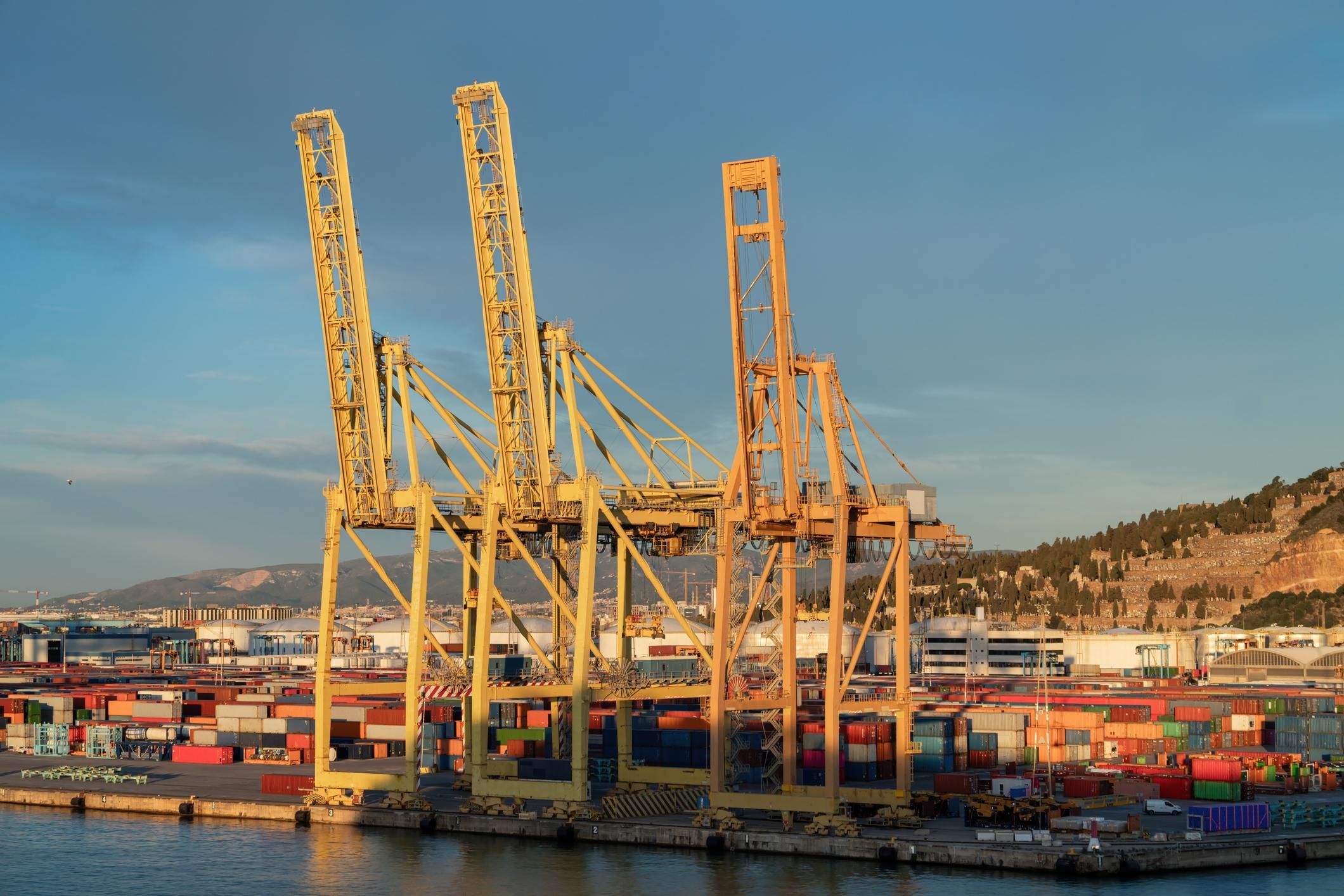
Data-Driven Maritime Infrastructure for High-Performance Trade
Port Infrastructure Intelligence is the integration of advanced data analytics, AI systems, predictive maintenance, and digital twin modeling into port infrastructure management.
For PortsFish, this is not merely modernization — it is the transformation of port assets into an intelligent, self-optimizing maritime ecosystem capable of increasing throughput, minimizing downtime, enhancing cold chain reliability, and strengthening export competitiveness.
It converts static infrastructure into a dynamic, measurable, and strategically managed asset platform.
1. Concept Definition
Port Infrastructure Intelligence refers to:
- Real-time monitoring of physical port assets
- Predictive maintenance powered by AI
- Digital twin simulation of port operations
- Integrated logistics performance analytics
- Energy optimization and ESG monitoring
It bridges the physical and digital layers of port operations.
2. Core Components
2.1 Infrastructure Monitoring Network
Sensors deployed across:
- Berths and docking structures
- Cranes and lifting systems
- Reefer plug-in stations
- Power distribution systems
- Storage facilities
These systems monitor:
- Structural stress
- Equipment performance
- Energy consumption
- Environmental conditions
2.2 Predictive Maintenance Engine
Using AI algorithms, the system:
- Detects early signs of equipment failure
- Forecasts maintenance needs
- Reduces unplanned downtime
- Extends asset lifecycle
For seafood exports, avoiding crane or reefer failures is critical to preserving product integrity.
2.3 Digital Twin Simulation
A virtual replica of the port allows:
- Capacity optimization modeling
- Congestion prediction
- Infrastructure expansion planning
- Emergency scenario testing
- Cold chain stress simulations
This transforms decision-making from reactive to predictive.
2.4 Operational Intelligence Dashboard
A centralized command interface provides:
- Real-time throughput metrics
- Vessel turnaround time analysis
- Container dwell time statistics
- Cold storage capacity utilization
- Energy performance indicators
This creates a unified operational overview for management.
3. Strategic Importance for PortsFish
Port Infrastructure Intelligence enables:
- Reduced vessel idle time
- Improved cold chain stability
- Faster export cycles
- Increased cargo reliability
- Stronger buyer confidence
It ensures the port operates as a synchronized, data-optimized logistics hub.
4. Financial & Asset Value Impact
4.1 Increased Asset Utilization
- Higher throughput per berth
- Reduced congestion
- Improved scheduling efficiency
4.2 Reduced Operating Costs
- Lower emergency repair expenses
- Optimized energy consumption
- Improved labor allocation
4.3 Enhanced Bankability
Intelligent infrastructure qualifies as:
- ESG-compliant investment
- Green infrastructure asset
- Public-private partnership opportunity
- Digital maritime modernization project
Ports with intelligent systems achieve higher institutional valuation.
5. Energy & Sustainability Optimization
Port Infrastructure Intelligence integrates:
- Smart grid management
- Renewable energy microgrids
- Shore power systems
- Carbon emission monitoring
- AI-based energy load balancing
This reduces operational emissions and supports sustainable export positioning.
6. Cybersecurity & Resilience
As ports digitize, infrastructure must include:
- Encrypted data layers
- Redundant network systems
- AI anomaly detection
- Disaster recovery protocols
- Maritime cyber defense standards
Ports are critical infrastructure — resilience is mandatory.
7. Competitive Differentiation
By implementing Port Infrastructure Intelligence, PortsFish becomes:
- A technology-enabled maritime gateway
- A high-efficiency export platform
- A resilient, future-ready port operator
- A sustainable logistics infrastructure leader
It moves beyond conventional port management toward intelligent maritime systems governance.
8. Future Evolution
- AI-managed autonomous berth allocation
- Integration with autonomous cargo vessels
- Inter-port digital alliances
- Satellite infrastructure analytics
- Smart insurance and risk scoring models
Over time, Port Infrastructure Intelligence evolves into a Global Maritime Infrastructure Intelligence Network.
Executive Summary
Port Infrastructure Intelligence transforms traditional port assets into predictive, optimized, data-driven systems.
For PortsFish, this means:
- Higher operational reliability
- Lower infrastructure risk
- Faster cargo movement
- ESG-aligned performance
- Increased strategic and financial value
It converts physical infrastructure into an intelligent, measurable, and scalable maritime asset platform.