






Infrastructure and Capital
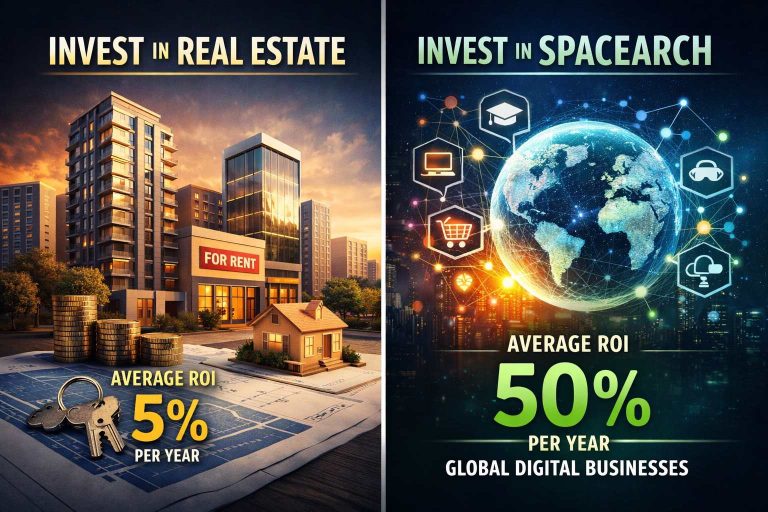
SpaceArch New NASA requires a radically different infrastructure model from traditional aerospace or engineering organizations. Instead of beginning with massive centralized facilities, the SpaceArch model is based on distributed cloud infrastructure, modular coworkings, Digital Labs, AI-driven coordination and progressively scalable capital projects.
The objective is to create a global infrastructure system that can begin with small, low-cost operational nuclei and then expand organically into a worldwide network of innovation, production and research.
Traditional capital projects often fail because they start with large investments, fragmented teams and poor coordination. Nearly 9 out of 10 major projects experience cost overruns, often reaching 50%, while 11% of project spending is lost due to poor execution and lack of visibility.
SpaceArch is designed to avoid these weaknesses from the beginning.
1. From Centralized Infrastructure to Distributed Networks
The traditional model of building one large headquarters or one giant facility creates:
- High fixed costs
- Slow expansion
- Geographic dependence
- Large financial risk
SpaceArch instead uses a distributed infrastructure strategy composed of:
- Cloud systems
- Digital Labs
- Coworkings
- Modular data centers
- Local operational nodes
- Shared infrastructure between countries
This allows the organization to expand through a network of interconnected operational cells.
For example:
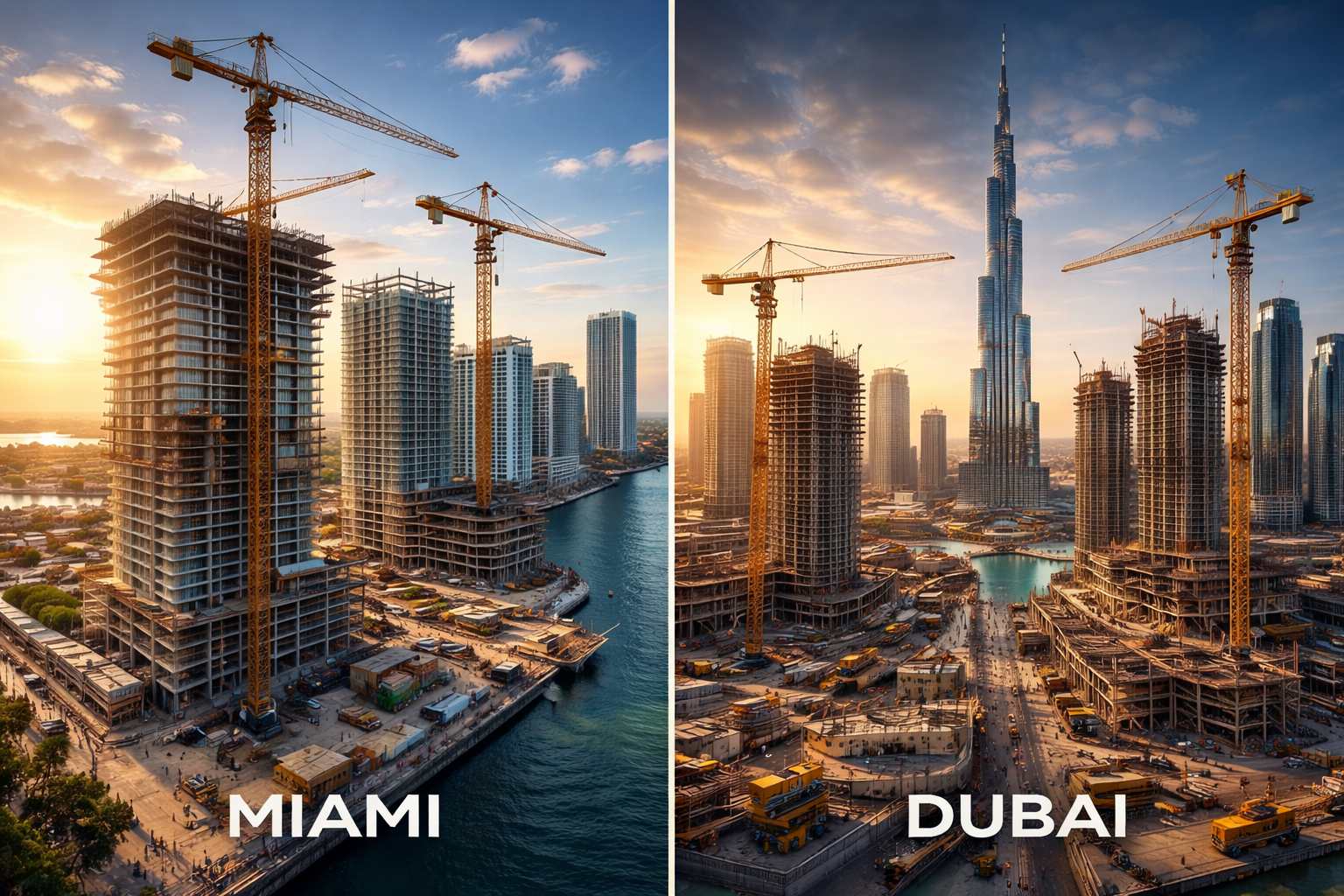
- Miami can operate as the corporate and investor gateway.
- Denver can function as the future headquarters and strategic coordination center.
- Dubai can become the technological and financial hub for PANMENA and advanced projects.
- Mar del Plata can serve as the first living lab and coworking model.
- Senegal and PanAfrica can become the testing ground for distributed Fifth Wave expansion.
This approach aligns perfectly with your existing strategy of starting with one cell and then reproducing it organically across countries and sectors.
2. The SpaceArch Capital Pyramid
The most efficient capital structure for SpaceArch should be divided into three infrastructure layers.
Layer 1: Minimal Viable Infrastructure
This is the first operational phase and requires very limited investment.
It includes:
- Websites and portals
- Cloud software
- AI agents
- Small coworkings
- Smart TVs and monitors
- Shared offices
- Initial Digital Labs
- Online education platforms
This layer can begin with very small capital because the system is based on cloud architecture, telework and modular tools.
The goal of Layer 1 is not to create a complete infrastructure immediately. Its purpose is to prove the concept, generate cash flow and attract the next level of investment.
This fits directly with your strategy of using WordPress, templates, subdomains, AI systems and remote teams rather than building expensive infrastructure from the beginning.
3. Layer 2: Scalable Infrastructure
Once the first coworkings, Digital Labs and portals generate traction, SpaceArch can move to the second infrastructure phase.
This includes:
- Expansion to multiple cities
- First dedicated Digital Labs
- Training centers
- Micro data centers
- Smart building retrofits
- Dedicated XR development rooms
- Shared prototyping spaces
- Regional headquarters
The most important principle in this phase is that each new infrastructure unit must be designed as a repeatable franchise model.
For example, the first coworking or Digital Lab in Mar del Plata is not simply one building. It becomes the prototype for:
- 100 coworkings in Argentina
- 100 coworkings in Africa
- 100 coworkings in MENA
- 100 coworkings in other regions
This is why your idea of reinvesting a large percentage of profits from PAN systems into the first 100 coworkings and Digital Labs per country is strategically powerful.
Instead of consuming profits, the system reinvests them into new productive infrastructure that multiplies future revenue.
4. Layer 3: Strategic Mega Infrastructure
Only after the first two layers are functioning should SpaceArch move toward large-scale capital projects.
These include:
- New NASA campuses
- Robotics and android manufacturing plants
- Large data centers
- SpaceArch XR production centers
- Orbital infrastructure
- Space elevator research facilities
- International media and production campuses
- Specialized engineering and manufacturing hubs
The key financial rule is:
Mega infrastructure should be built only after the cloud, Digital Labs and distributed network are already generating enough visibility and cash flow to justify it.
This reduces the risk of building expensive infrastructure before the market and operational ecosystem are ready.
5. AI-Controlled Infrastructure
One of the most important advantages of SpaceArch is that your infrastructure can be managed through AI.
Instead of traditional project management systems, SpaceArch can use:
- AICEO
- AI Senior
- AI Sales
- Capital Project Control Towers
- Real-time dashboards
- Predictive AI systems
- Digital twins
These systems allow SpaceArch to manage:
- Costs
- Schedules
- Risks
- Construction progress
- Supply chains
- Investor reporting
- Expansion scenarios
AI-driven capital project systems can significantly improve visibility, reduce delays and help large projects remain on time and on budget. AI-supported control towers and connected construction systems are increasingly being used to provide a single source of truth for project execution.
For SpaceArch, this means every coworking, Digital Lab, media center or New NASA facility can be monitored in real time from the cloud.
6. The SpaceArch Digital Twin Strategy
One of the strongest infrastructure ideas for SpaceArch is the use of digital twins.
Before constructing any real building or facility, SpaceArch can first create a virtual version of it in the cloud.
This can be applied to:
- Coworkings
- Digital Labs
- Smart cities
- New NASA campuses
- Orbital stations
- Data centers
- Space elevator systems
The digital twin allows SpaceArch to simulate:
- Construction cost
- Maintenance cost
- ROI
- Energy consumption
- Environmental risk
- Rentability
- Future expansion
- Climate risk
This is especially relevant for your concern about real estate risk in coastal cities under global warming. A digital twin can simulate the future effect of:
- Sea level rise
- Heat waves
- Storm intensity
- Energy demand
- Insurance cost increases
Digital twins and 4D/5D visualization tools are increasingly used to detect design problems before construction begins and to continuously model cash flow, schedules and long-term operating performance.
7. Data Centers and the Future SpaceArch Infrastructure Core
The next great infrastructure layer for SpaceArch New NASA is likely to be micro data centers and eventually orbital cloud systems.
Because your ecosystem depends heavily on:
- AI
- Cloud software
- XR
- Marketplaces
- Gen Academy
- Global teleworkers
- Media systems
- Digital Labs
the organization will eventually need its own distributed data infrastructure.
The most realistic progression is:
- Cloud services from Microsoft, AWS and Google
- Hybrid cloud systems
- Small SpaceArch micro data centers
- Regional data hubs
- Future orbital cloud infrastructure
Data centers are rapidly becoming one of the most strategic forms of infrastructure because they support AI, automation and digital economies. The strongest organizations are increasingly integrating AI, cloud and physical infrastructure into one coordinated platform.
8. Sustainability and Climate-Resilient Infrastructure
SpaceArch infrastructure should be designed not only for profitability, but also for long-term resilience.
The organization should prioritize:
- Energy efficiency
- Low-cost buildings
- Solar integration
- Modular construction
- Recyclable materials
- Water efficiency
- Climate-resistant locations
Construction and infrastructure already account for roughly 37% of global energy-related CO₂ emissions, so sustainability is not only an ethical issue—it is a financial necessity.
For your model, this means:
- Choosing locations with lower long-term climate risk
- Preferring modular and prefabricated systems
- Using smart sensors and AI for maintenance
- Designing buildings that can adapt over time
This is particularly important for SpaceArch’s long-term real estate strategy in coastal cities such as Dubai, Miami or Mar del Plata, where future environmental risks may affect the value and useful life of infrastructure.
9. Recommended Infrastructure Roadmap for SpaceArch
The most effective infrastructure sequence for SpaceArch over the next five years is likely:
Phase 1
- Expand portals, cloud systems and AI agents
- Create the first coworkings and Digital Labs
- Launch the first cloud-based control center
- Build the first operational nodes in MDQ, Dubai and Africa
Phase 2
- Clone the model into multiple cities
- Create a stronger regional network
- Develop the first micro data centers
- Strengthen the PanAfrica, PanLatam and PanMENA systems
Phase 3
- Build larger New NASA campuses
- Create robotics and XR centers
- Develop advanced infrastructure projects
- Prepare the transition toward orbital and space-based systems
Final Strategic Conclusion
The real power of SpaceArch infrastructure is not in any single building or project.
The real power is that every coworking, every Digital Lab, every portal and every new city becomes part of one global cloud-based network.
Traditional infrastructure grows linearly.
SpaceArch infrastructure grows exponentially because every new node reinforces all the others.
That is why the most valuable asset of SpaceArch New NASA is not the building itself.
It is the operating system behind the building.