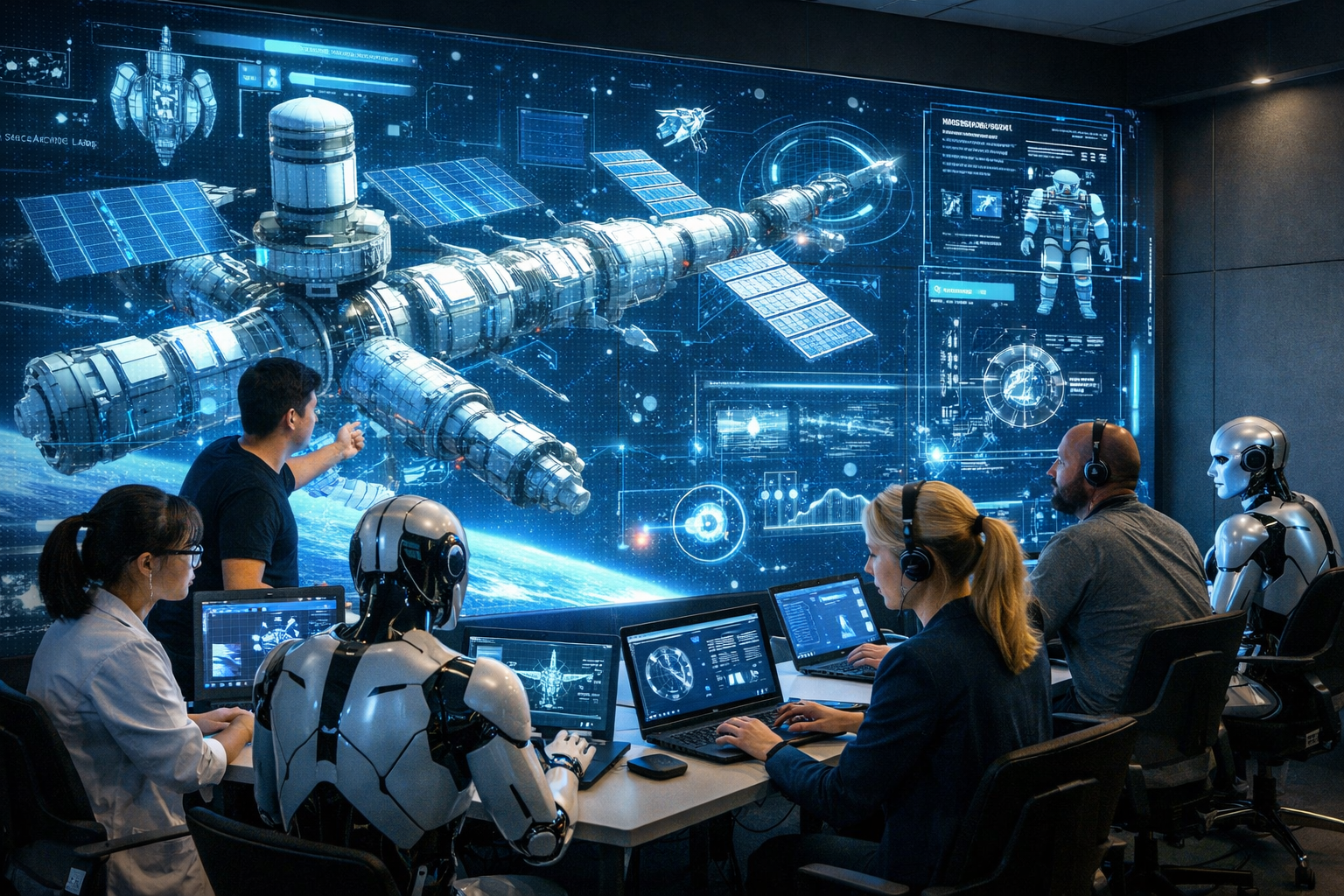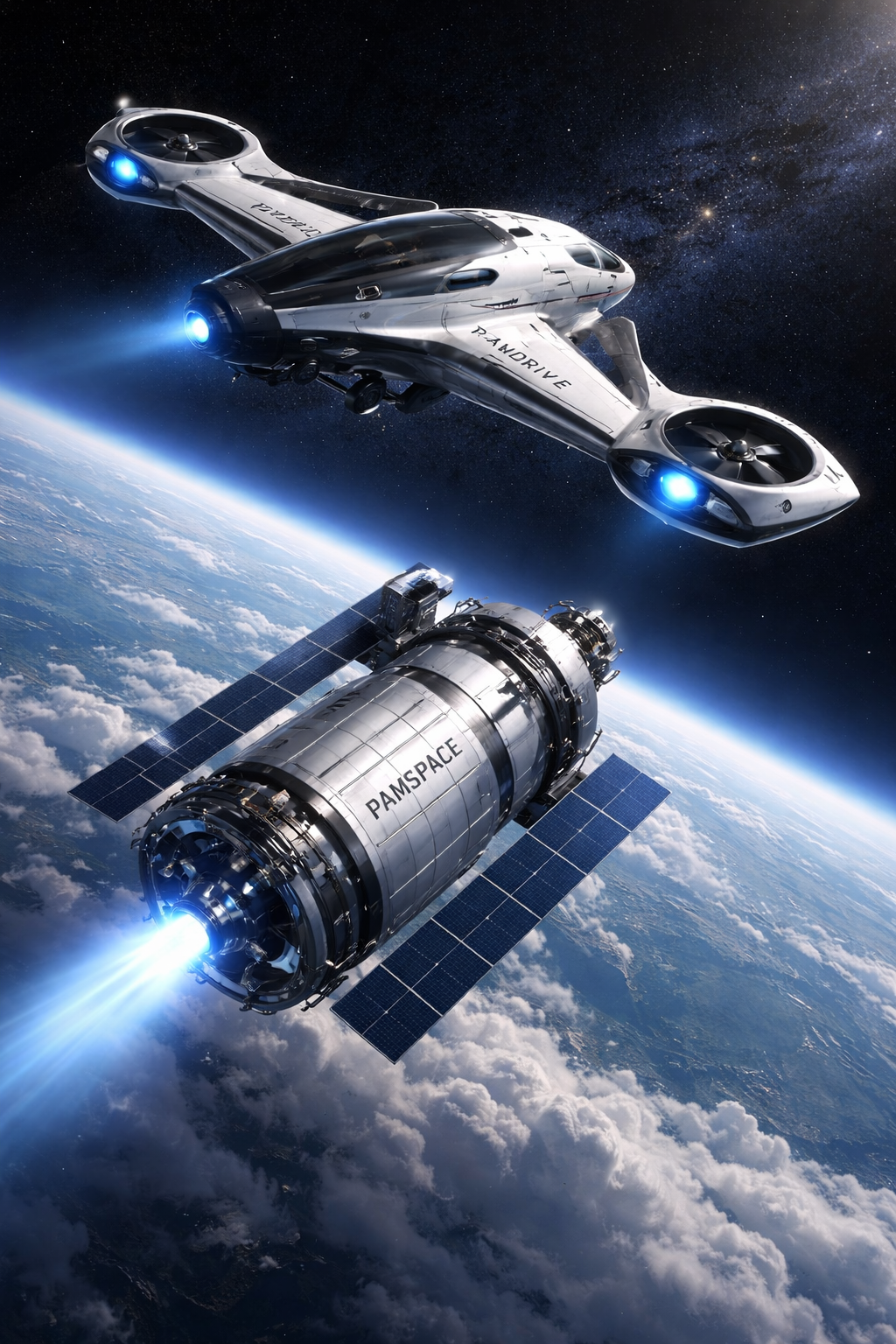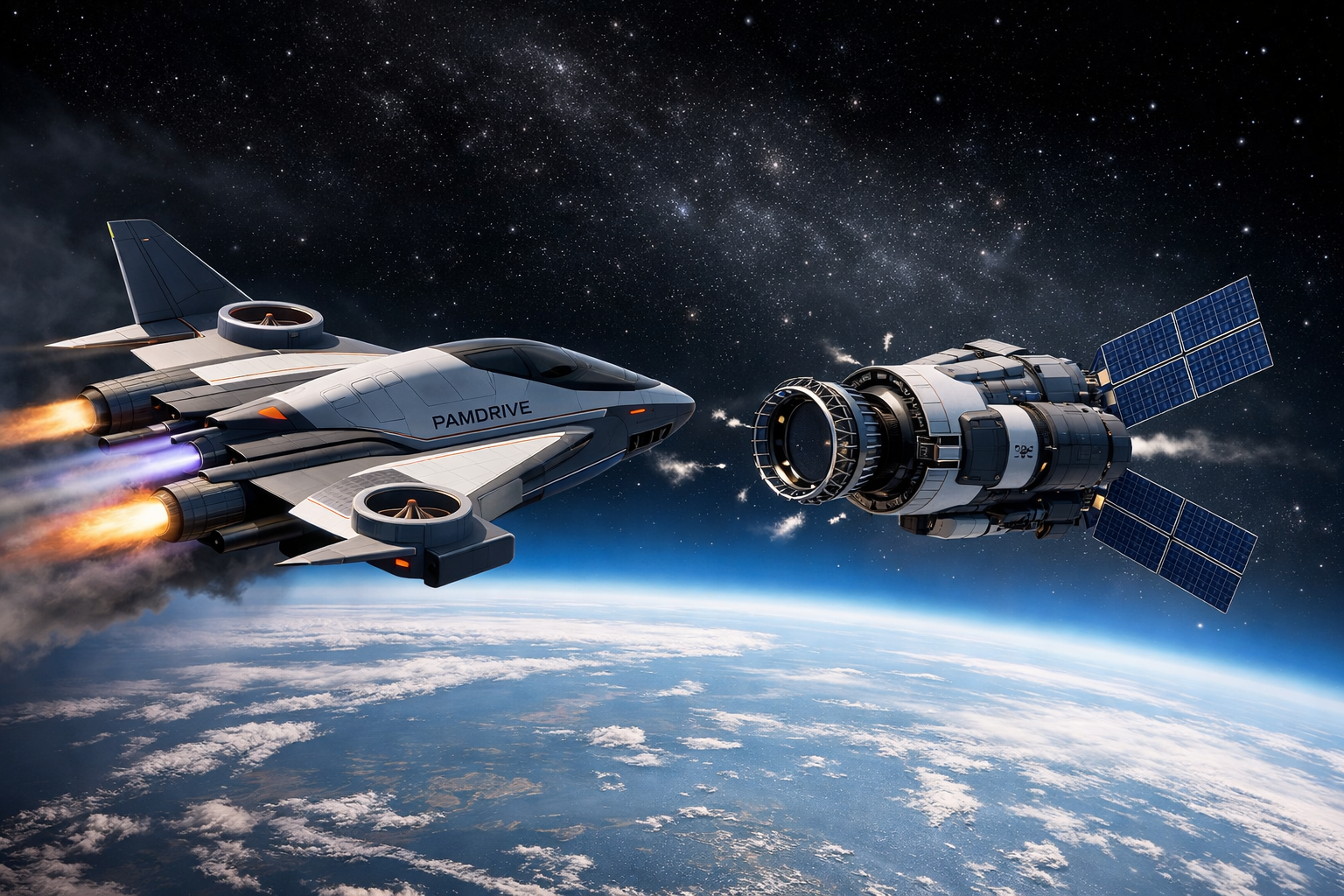
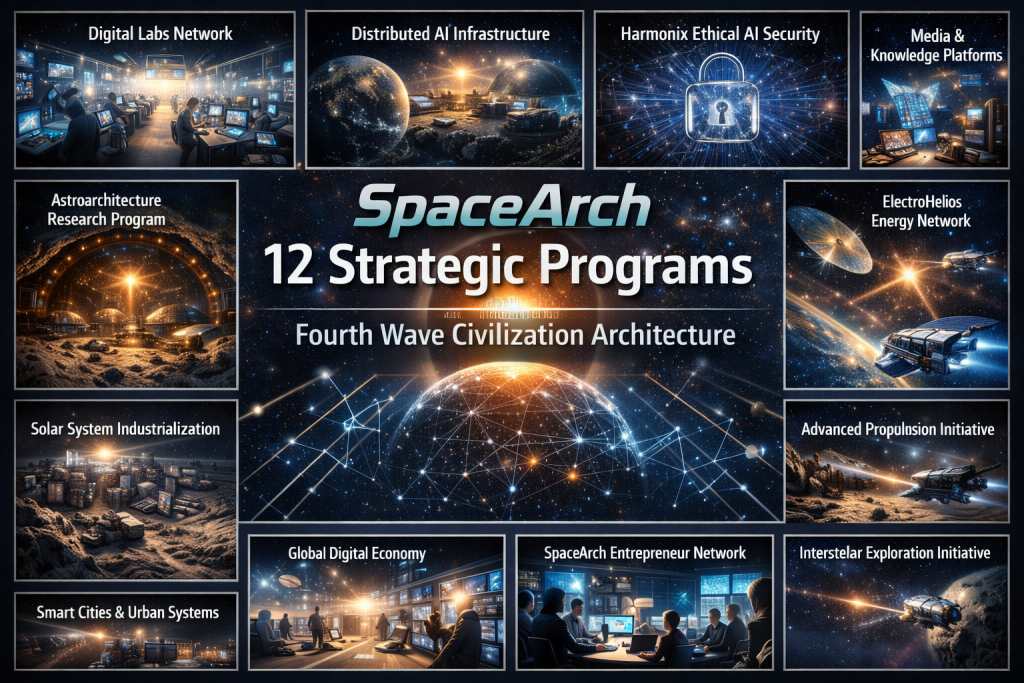






The program will recruit engineers, technologists, programmers, industrial designers, AI experts, robotics, automation, energy, telecommunications, advanced materials and space architecture specialists, as well as visionary professionals in the early and middle stages of their careers, to join the Digital Labs and the SpaceSoft Know How mission of SpaceArch.
The mission: to build the first 300 megaprojects of humanity’s new technological and space age.
This is not a traditional job opportunity. It is an invitation to join the leading force of a new Golden Age of exploration, where every participant will be able to co-produce, co-design and co-direct systems intended to transform civilization and prepare the path toward Alpha Centauri B.
Among the first strategic programs are:
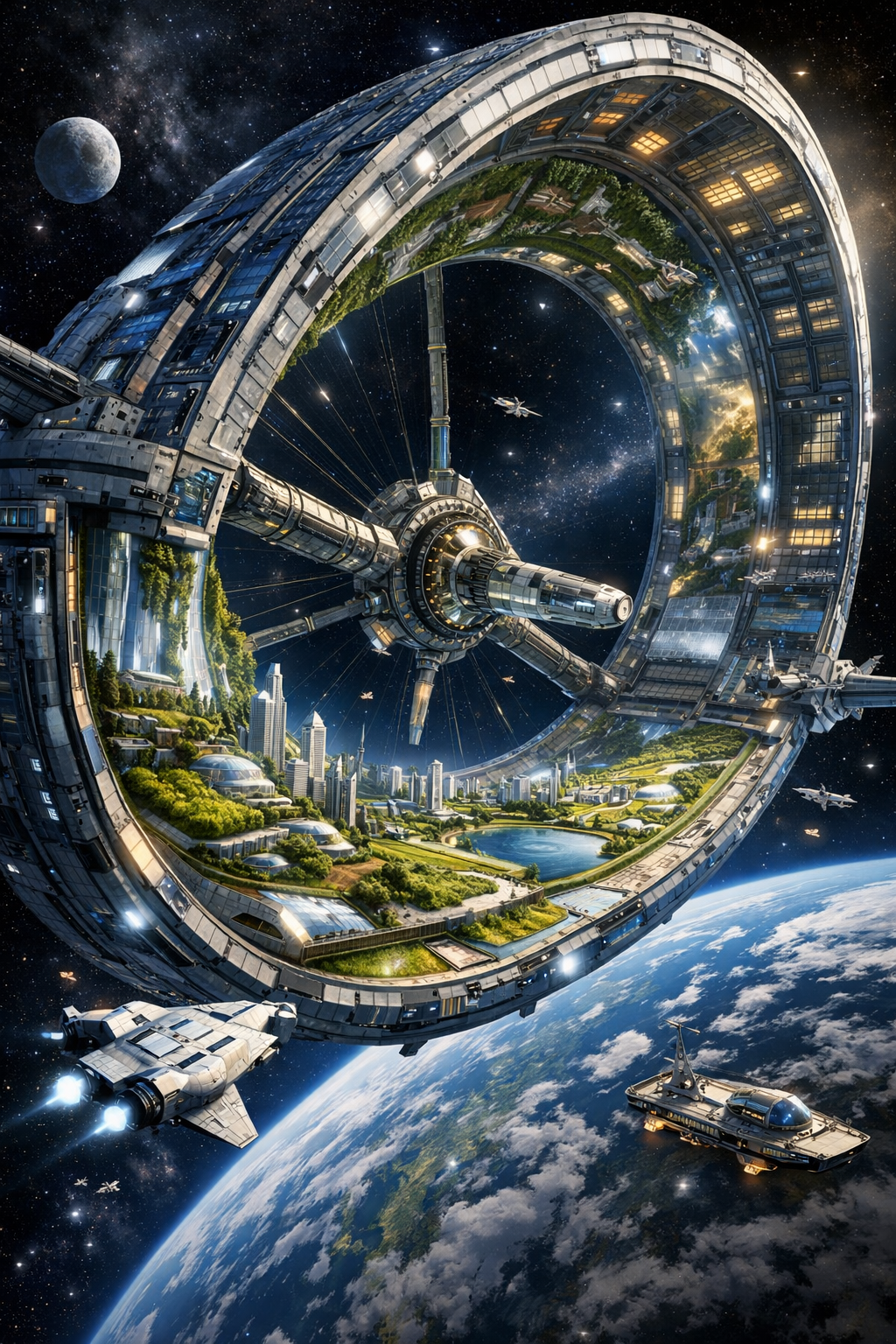
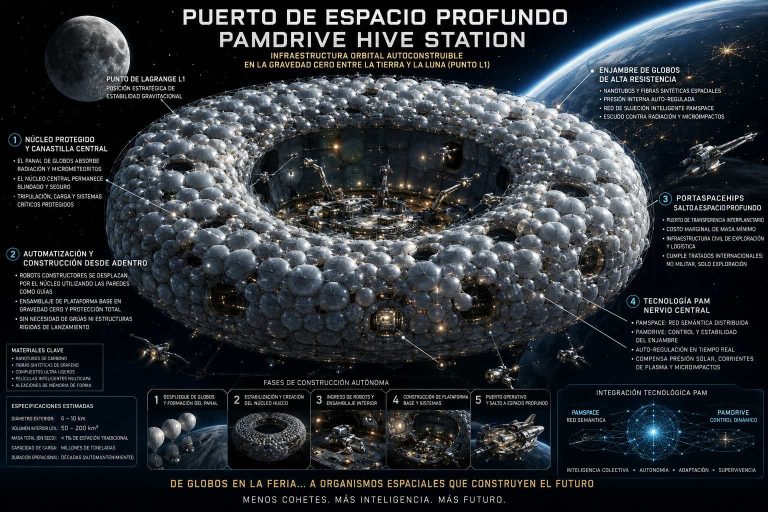
• self-sustaining orbital cities
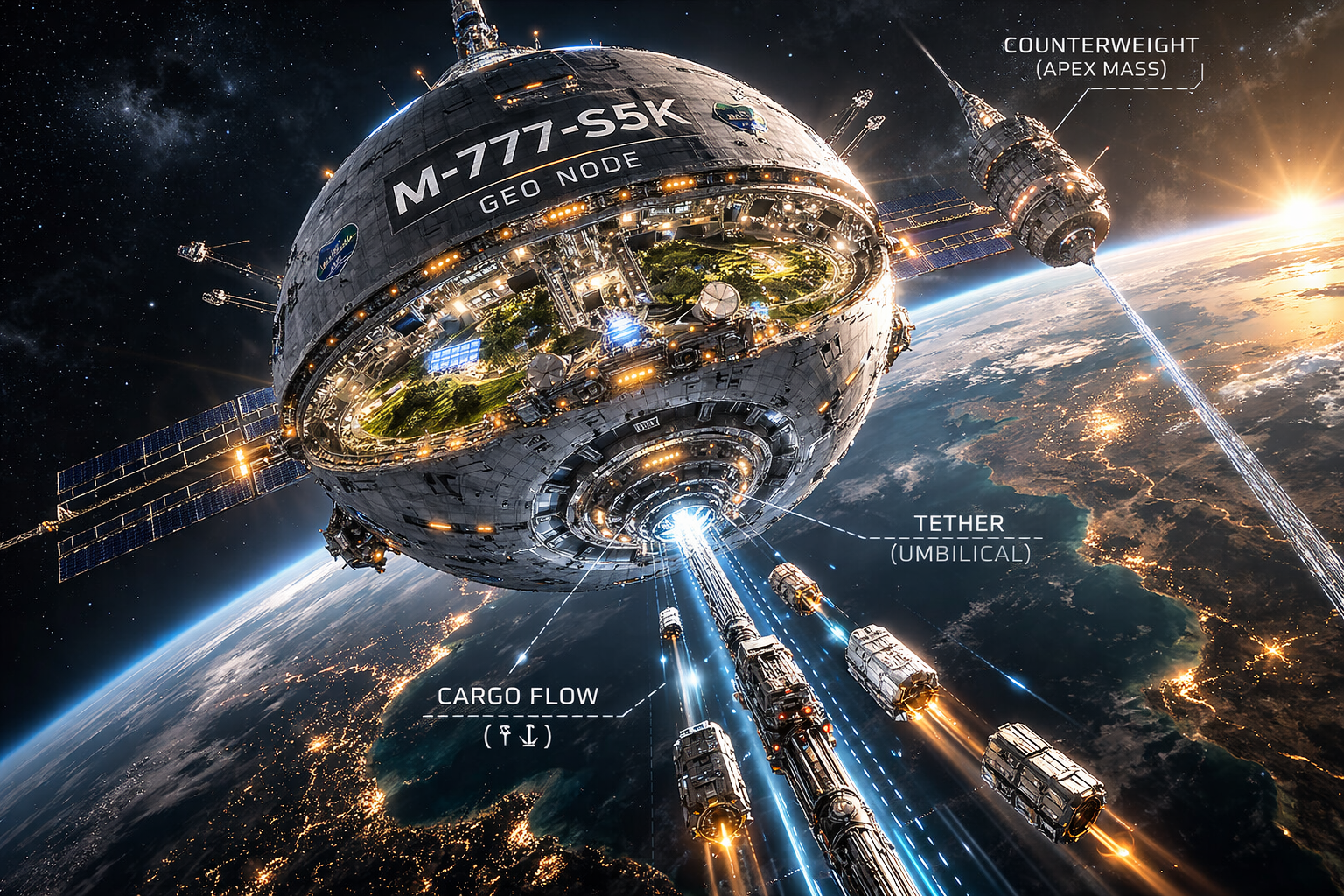
• space elevators and Earth-to-orbit transfer nodes
• next-generation modular space stations
• spaceports and automated aerospace airports
• advanced propulsion systems and warp engine pre-design
• automation of airspace, orbital traffic and space operations
• space mining and asteroid resource utilization
• zero-gravity manufacturing and giant 3D space printers
• robots, androids and autonomous swarms for orbital maintenance
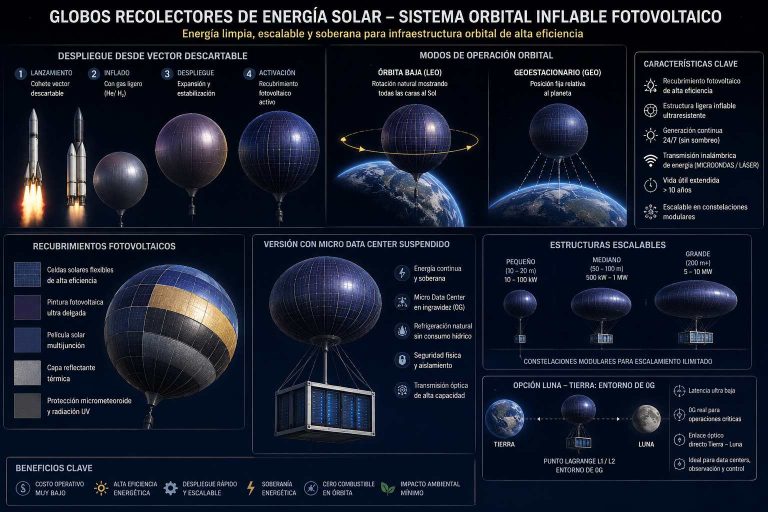
• networks of space-based micro data centers and distributed AI
• orbital solar power satellites and energy transmission systems
• magnetic shields and planetary protection systems
• lunar and Martian colonies and self-sufficient underground cities
• neural interfaces, extended reality and space telepresence
• soft-space architecture and intelligent habitats for deep-space exploration
• quantum navigation systems, advanced sensors and interstellar communications
• fleets of drones, cargo ships and next-generation aerospace vehicles
• terraforming engineering, biospheres and space agriculture
• biotechnology, space medicine and life extension in extreme environments
• integration of the 300 SpaceArch New NASA megaprojects and supertechnologies
Conceptually, SpaceArch New NASA differs from the traditional structure of NASA because it is not limited to being a space agency. It operates as a distributed platform of Digital Labs, global talent, artificial intelligence, micro data centers, remote work, robotics and interassociated development.
The 300 megaprojects are organized into five major pillars:
- Space Infrastructure
Orbital cities, spaceports, space elevators, colonies and interplanetary logistics. - Supertechnologies
Advanced engines, AI, robotics, distributed computing, neural interfaces and energy systems. - Space Production and Economy
Orbital industry, space mining, manufacturing, agriculture and new value chains. - Planetary Defense and Survival
Climate protection, global monitoring, orbital defense, shields and civilizational continuity. - Interstellar Exploration
The gradual preparation of human and technological infrastructure and know how for future missions toward Alpha Centauri B.